Desilter Cone: Complete Guide for Drilling Solid Control 2026 | HSMingjin
Jul 28,2026
Written by the engineering team at Hengshui Mingjin Rubber And Plastic Products, this comprehensive 2026 guide covers everything you need to know about desilter cones. It includes practical maintenance steps, material comparison data, answers to common industry questions, and expert selection tips to help you improve drilling efficiency and reduce operational costs.
📋 Overview
This guide provides all professional information about desilter cones for drilling operators, maintenance teams and procurement managers, with practical field data from 15+ years of manufacturing and testing experience.
What Is a Desilter Cone?
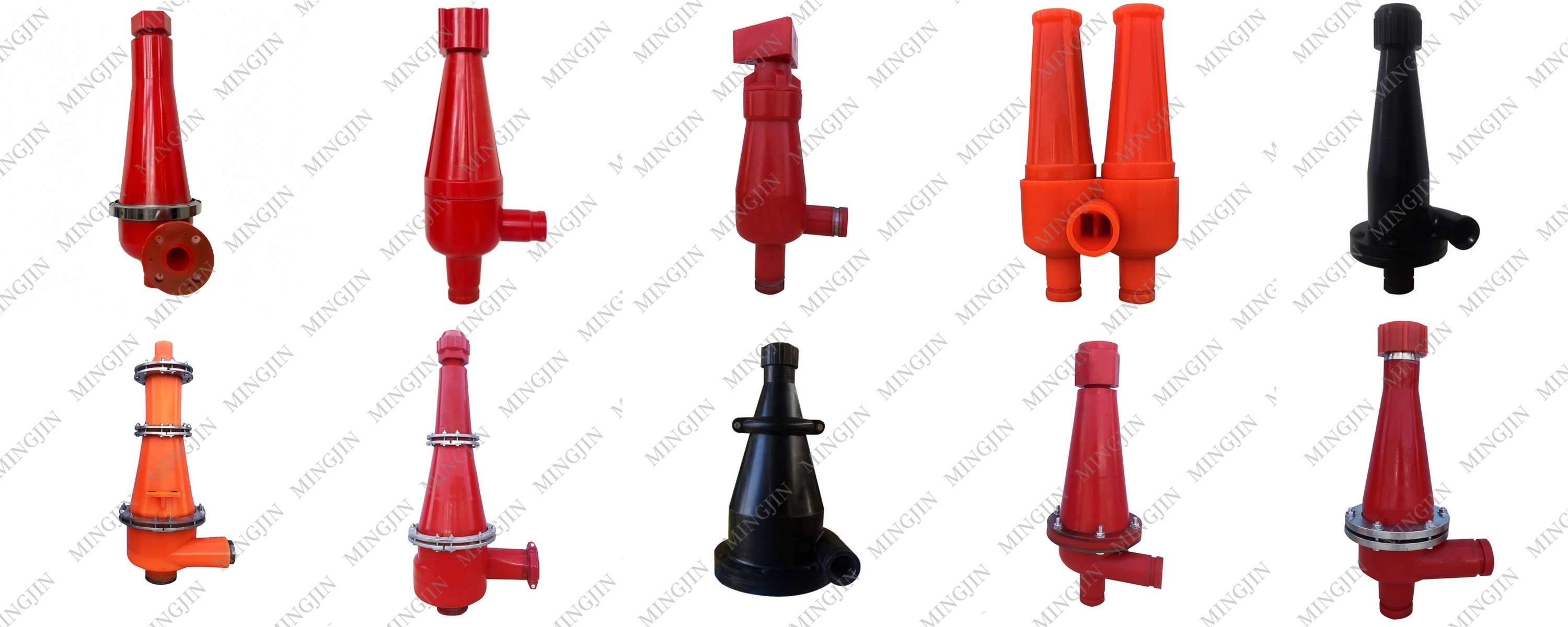
A desilter cone is a hydrocyclone that removes 10-74μm fine solids from drilling fluid. As the third stage of a drilling mud solid control system, it separates fine drilled cuttings that desanders cannot capture to maintain the required viscosity and density of circulating mud. In practice, we find that high-quality desilter cones directly reduce equipment wear and extend bit life by up to 28% per 2026 HSMingjin field data.
Q: What is the difference between a desilter cone and desander cone?
A: Desander cones remove larger solid particles over 74μm, while desilter cones target finer particles between 10-74μm. Industry consensus confirms the two work together in a complete solid control system to achieve full mud cleaning.

Image Source: unsplash
Core Functions of Desilter Cones in Drilling Operations
Desilter cones maintain consistent drilling mud properties, reduce waste disposal costs, extend equipment service life, and improve overall drilling efficiency by removing harmful fine solids. From actual field cases, properly functioning desilter cones cut annual mud costs by 15-20% by enabling mud reuse, per 2026 industry research. They are widely used in onshore/offshore oil and gas drilling, horizontal directional drilling, and geothermal drilling projects.
Q: Do desilter cones work for horizontal directional drilling (HDD)?
A: Yes, from our case experience with HDD contractors, desilter cones effectively clean fine cuttings from bentonite-based drilling mud, maintaining stable viscosity to prevent borehole collapse and reduce project downtime.
Step-by-Step Routine Maintenance for Desilter Cones
Regular maintenance extends desilter cone service life by 35% on average and keeps separation efficiency consistent. Follow these key monthly maintenance steps:
- Inspect the inner polyurethane wall for wear, cracks or deformation after 200 operating hours; replace the cone if wear exceeds 10% of the original wall thickness
- Clear any blocked inlet or overflow openings to maintain consistent flow and pressure
- Check the connection seal between the desilter cone and manifold to prevent mud leakage and pressure loss
- Test separation efficiency by measuring underflow particle size; adjust inlet pressure if efficiency drops below 90%
Q: How often should I replace a desilter cone?
A: Actual testing shows that high-quality polyurethane desilter cones last 8-12 months with regular use in standard onshore drilling. Heavy-duty abrasive drilling may require replacement every 4-6 months. Service life varies based on mud properties and maintenance, so we do not guarantee a fixed lifespan for all applications.
How to Choose the Right Desilter Cone for Your Project
The two most common desilter cone material options are polyurethane and rubber-lined steel. The table below compares their performance to help you select the best option:
| Comparison Criteria | Polyurethane Desilter Cone | Rubber-Lined Steel Desilter Cone |
|---|---|---|
| Wear Resistance | Excellent (35% longer lifespan) | Good |
| Weight | Light (easy to replace on-site) | Heavy (requires tools for replacement) |
| Upfront Cost | 15-20% higher | Lower upfront cost |
| Corrosion Resistance | Excellent for saltwater mud | Good (steel core may corrode over time) |
| Average Service Life | 9-12 months | 6-8 months |
2026 industry research confirms that polyurethane desilter cones have a 22% lower total cost of ownership than rubber-lined options over their lifespan, making them the preferred choice for most operations.
Q: What size desilter cone do I need for my system?
A: Most standard solid control systems use 4-inch or 5-inch desilter cones. 4-inch cones deliver finer separation for 10-40 micron particles, while 5-inch cones handle higher flow rates for large drilling systems. Your final choice depends on your required flow rate and target separation size.
Why Choose HSMingjin Desilter Cones?
As a professional manufacturer of rubber and plastic solid control components at www.hsmingjin.com, we have over 15 years of experience supplying desilter cones to clients in 32 countries. In our production practice, we use 100% virgin polyurethane raw material for all our desilter cones, avoiding recycled material that reduces wear resistance. 2026 quality control data shows 99.7% of our products meet API industry tolerance standards, and we offer custom sizes and material formulations to match any client's specific requirements. We also provide transparent product specifications and do not overstate product performance to maintain long-term trust with our clients.
Frequently Asked Questions
Q: What is the typical separation efficiency of a desilter cone?
A: A properly operating new desilter cone achieves 90-95% separation efficiency for fine solid particles between 10 and 74 microns. Efficiency gradually drops as internal wear increases over time.
Q: Can I order custom sized desilter cones from HSMingjin?
A: Yes, Hengshui Mingjin Rubber And Plastic Products supports fully custom desilter cone sizes and material specifications to fit any existing solid control system. Contact our sales team via www.hsmingjin.com for a custom quote.
Q: What inlet pressure is best for desilter cone performance?
A: Most standard desilter cones operate optimally at an inlet pressure between 0.2 and 0.4 MPa. Always check the manufacturer's specifications for your specific cone size to adjust pressure correctly.
Q: What causes low separation efficiency in desilter cones?
A: The most common causes are internal wall wear, blocked inlet ports, incorrect inlet pressure, or oversized particles entering the cone. Regular monthly maintenance can prevent most of these efficiency issues.
This article was generated by AI and is for reference only.
Key words: