Diverse Surface Options for Anti-Skid Pads on Drilling Platforms
Aug 29,2025
Drilling platforms are critical to the oil and gas industry, serving as the frontline for extracting valuable resources from beneath the Earth’s surface. However, the operational environment on these platforms can be hazardous, particularly due to the presence of slippery surfaces. To mitigate these risks, the implementation of anti-skid pads has become a standard safety measure. This article explores the diverse surface options available for anti-skid pads on drilling platforms, examining their materials, designs, and the benefits they offer

**Diverse Surface Options for Anti-Skid Pads on Drilling Platforms**
Drilling platforms are critical to the oil and gas industry, serving as the frontline for extracting valuable resources from beneath the Earth’s surface. However, the operational environment on these platforms can be hazardous, particularly due to the presence of slippery surfaces. To mitigate these risks, the implementation of anti-skid pads has become a standard safety measure. This article explores the diverse surface options available for anti-skid pads on drilling platforms, examining their materials, designs, and the benefits they offer.
**Understanding the Need for Anti-Skid Pads**
The primary purpose of anti-skid pads is to enhance traction and prevent slips and falls, which are common causes of accidents on drilling platforms. The combination of water, oil, and mud can create treacherous conditions, making it imperative to provide workers with a secure footing. Anti-skid pads are designed to improve grip, ensuring safety for personnel and reducing the risk of equipment damage.
**Material Options for Anti-Skid Pads**
One of the key factors in selecting anti-skid pads is the material used. Various materials offer distinct advantages and can be tailored to specific operational needs.
1. **Rubber**: Rubber is one of the most commonly used materials for anti-skid pads due to its excellent traction properties and resilience. It can withstand harsh environmental conditions and is resistant to oil and chemicals, making it suitable for drilling platforms. The surface texture can be customized to enhance grip further, and rubber pads can be easily replaced when worn.
2. **Polyurethane**: Another popular choice is polyurethane, which offers a balance between flexibility and durability. It is lightweight and can be molded into various shapes and textures to optimize traction. Polyurethane pads are also resistant to abrasion and can maintain their performance in extreme temperatures.
3. **Metal Grating**: For high-traffic areas, metal grating is often employed. While it may not provide as much traction as rubber or polyurethane, its durability and strength make it ideal for heavy machinery and equipment. Metal grating can be coated with anti-slip materials to improve grip and prevent slips.
4. **Composite Materials**: Innovations in material science have led to the development of composite materials that combine the best features of different substances. These pads often incorporate elements like fiberglass and carbon fiber, providing superior strength while maintaining lightweight characteristics. They are designed to withstand extreme weather conditions and chemical exposure, making them suitable for various drilling environments.
**Design Features to Enhance Safety**
Beyond the choice of material, the design of anti-skid pads plays a crucial role in their effectiveness. Several design features can enhance safety on drilling platforms.
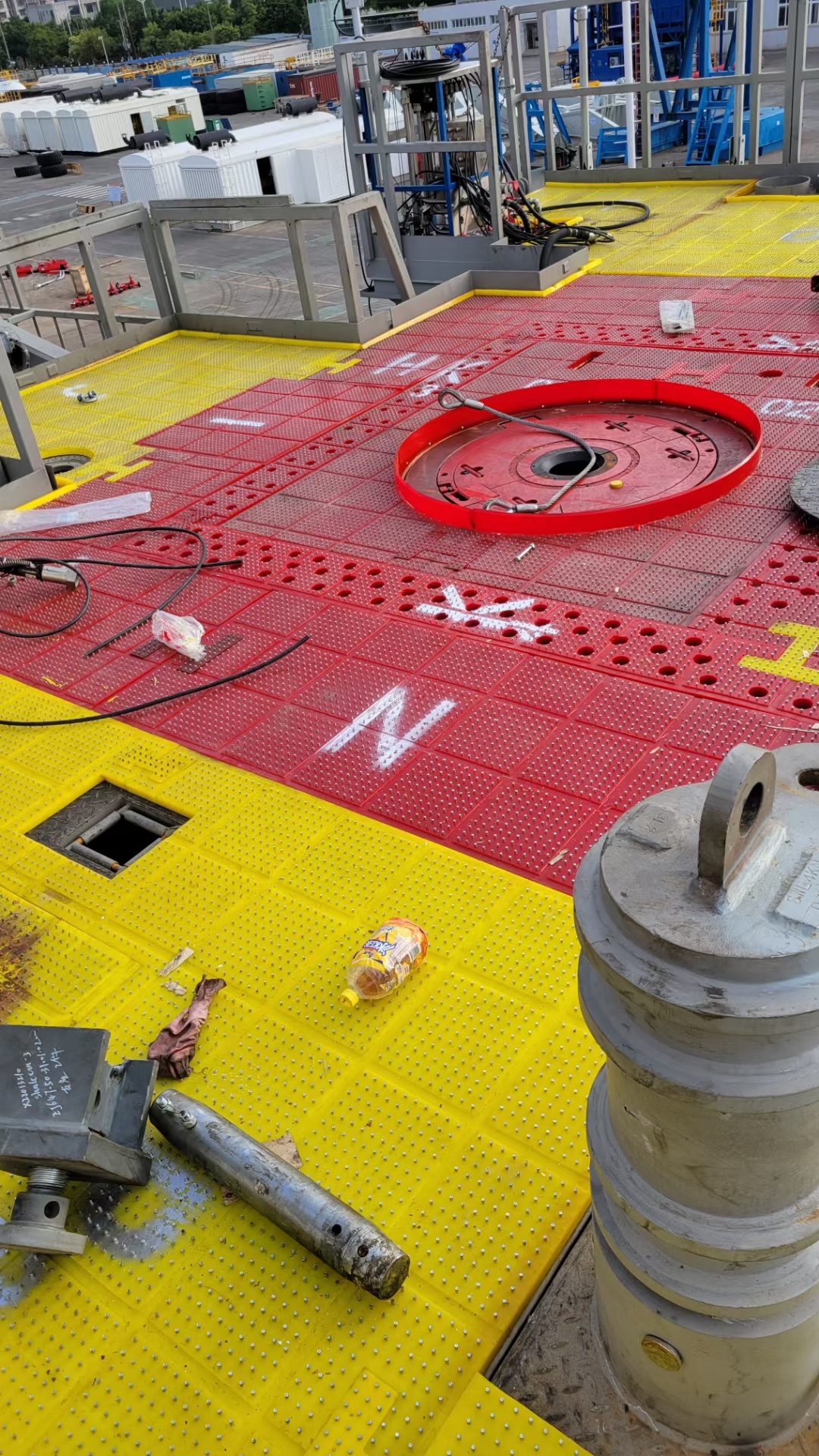
1. **Textured Surfaces**: The texture of the pad surface significantly influences its anti-skid properties. Textured surfaces with grooves, ridges, or raised patterns can create friction, improving grip. Manufacturers can customize these textures based on the specific conditions of the drilling environment.
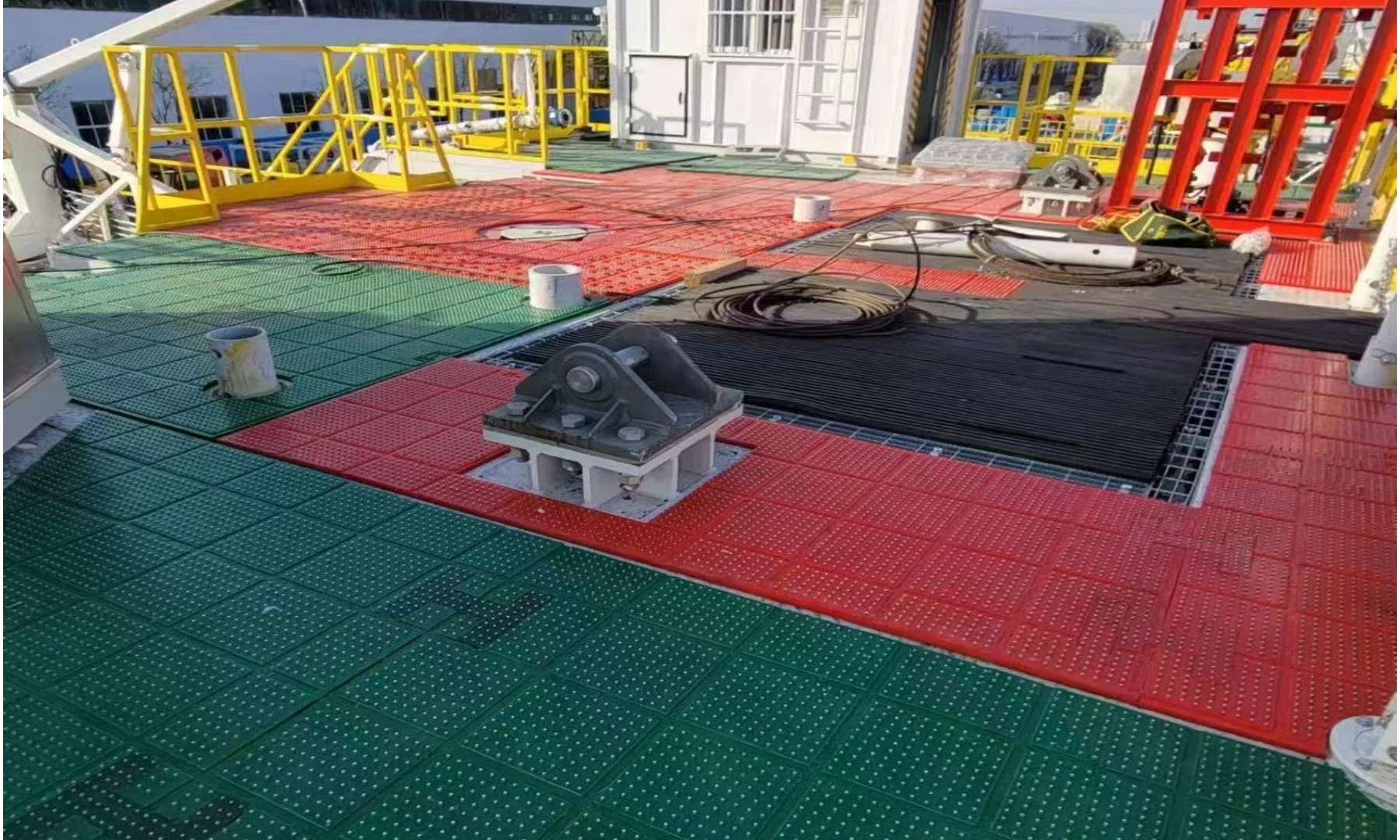
2. **Color-Coding**: Color-coded pads can serve as visual indicators for hazardous areas, helping workers identify potential slip risks. Bright colors can also enhance visibility in low-light conditions, further reducing the likelihood of accidents.
3. **Modular Designs**: Modular anti-skid pads allow for easy installation and replacement. This feature is particularly beneficial for drilling platforms, where maintenance and repairs are frequent. Modular designs enable quick access to specific areas that may require attention without the need to replace the entire surface.
4. **Drainage Features**: Pads designed with drainage channels can help manage liquids that accumulate on the surface, reducing the risk of slips. By directing water away from high-traffic areas, these pads can maintain a safer working environment.
**Environmental Considerations**
As the industry becomes increasingly aware of its environmental impact, the selection of anti-skid pads also reflects a commitment to sustainability. Many manufacturers are now producing pads using recycled materials or eco-friendly processes. This shift not only helps reduce waste but also appeals to companies striving for greener operations.
**Cost-Effectiveness and Longevity**
While safety is the primary concern, cost-effectiveness is another important factor in the selection of anti-skid pads. Investing in high-quality materials may require a higher upfront cost, but the long-term benefits often outweigh these expenses. Durable pads that withstand wear and tear will reduce replacement frequency and maintenance costs, providing a better return on investment.
**Conclusion**
In conclusion, the selection of diverse surface options for anti-skid pads on drilling platforms is crucial for ensuring safety and operational efficiency. The variety of materials, design features, and environmental considerations available today allows companies to tailor their choices to meet specific needs. By investing in high-quality anti-skid solutions, drilling platforms can significantly reduce the risk of accidents, protect their workforce, and contribute to a safer working environment. As the industry continues to evolve, ongoing innovation in anti-skid technology will play a vital role in enhancing safety standards on drilling platforms around the world.
Key words:
NEXT: