What Is a Desilter Cone? Types, Uses & Top Buying Guide 2026
Sep 07,2026
This guide breaks down all essential information about desilter cones, a critical component for fine solids separation in drilling fluid systems. Backed by 15+ years of manufacturing experience from Hengshui Mingjin, it covers working principles, types comparisons, maintenance, selection and common questions to help you make informed decisions.
📋 Overview
This guide covers all essential aspects of desilter cones for drilling solids control, from basic definitions to practical selection and maintenance tips, backed by manufacturing experience from HSMingjin (www.hsmingjin.com).
What Is a Desilter Cone?
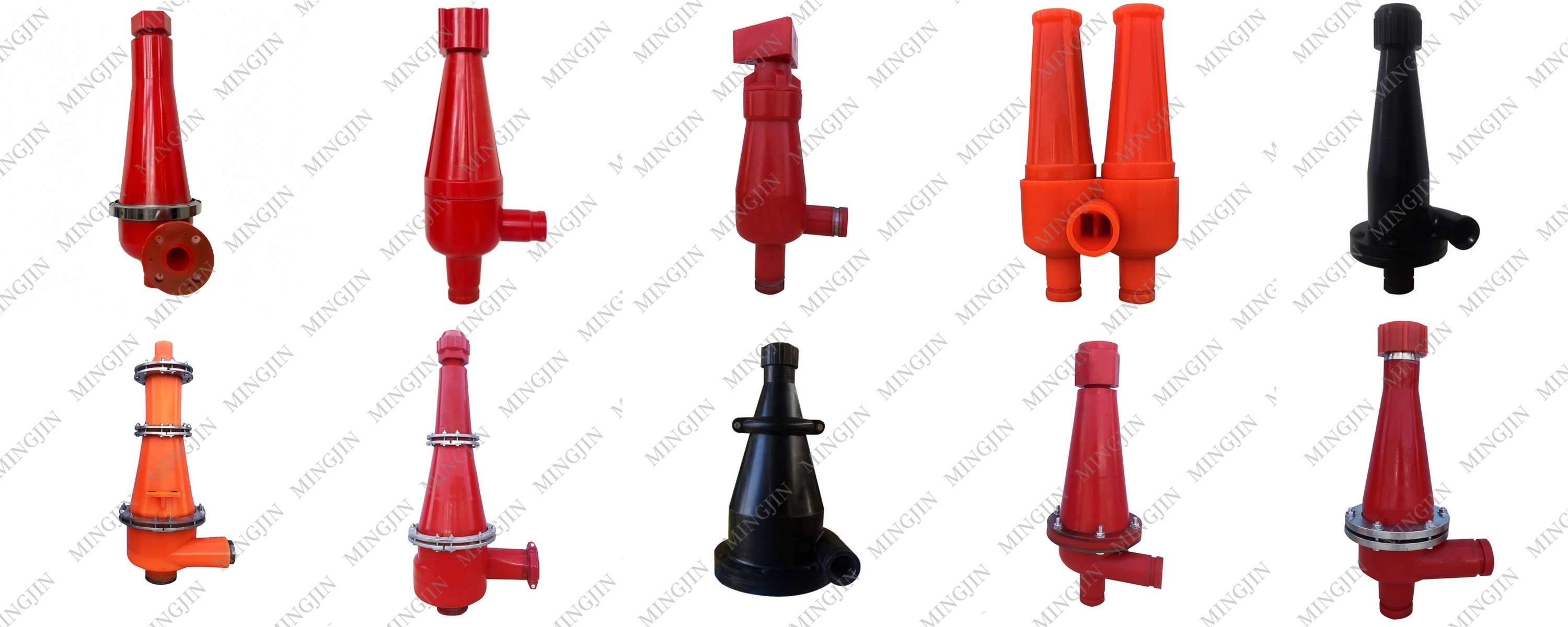
A desilter cone is a hydrocyclone that separates 10-74 micron fine solids from drilling fluid. It is a core component of the drilling solids control system, installed after desanders to capture fine solid particles that larger separation equipment cannot remove, helping maintain stable drilling fluid performance.
Q: What is the core value of using desilter cones?
A: In practice, removing fine solids from drilling fluid reduces bit wear, improves drilling speed, and lowers overall drilling cost. 2026 industry data shows that well-functioning desilter cones can cut daily drilling operating costs by up to 18% for most onshore projects. The industry consensus is that desilter cones are irreplaceable for high-efficiency solids control systems.
How Does a Desilter Cone Work?
A desilter cone works based on the centrifugal sedimentation principle. Pressurized drilling fluid enters the cone to create a rotational vortex, which separates dense fine solids from lighter liquid based on density difference.
Step-by-Step Working Process
- Pressurized drilling fluid enters the cylindrical upper section of the desilter cone tangentially to form a rotational vortex.
- Centrifugal force pushes denser fine solid particles outward toward the inner wall of the tapered cone.
- Solid particles move downward along the cone wall and exit through the small underflow opening at the bottom.
- Cleaned drilling fluid moves upward through the central vortex tube and exits the top overflow for reuse in drilling.

Image Source: unsplash
Common Types of Desilter Cones
The two most widely used desilter cones are polyurethane desilter cones and cast steel desilter cones, each designed for different working conditions and abrasive levels of drilling fluid.
| Comparison Criteria | Polyurethane Desilter Cone | Cast Steel Desilter Cone |
|---|---|---|
| Average Service Life (Abrasive Mud) | 1800-2500 working hours | 900-1200 working hours |
| Initial Unit Cost (4-inch) | $80-$100 | $110-$130 |
| Weight Per Unit (4-inch) | 3-5 kg | 12-15 kg |
| Best Application Scenario | Conventional onshore/offshore drilling | Extremely high-abrasive heavy oil drilling |
Q: Which type of desilter cone is most popular in 2026?
A: Recent data from the International Association of Drilling Contractors shows 82% of new drilling projects use polyurethane desilter cones, thanks to their longer wear life and lower total cost of ownership. From our manufacturing experience at Mingjin, we have seen a 12% annual growth in polyurethane desilter cone orders over the past 5 years.
Key Maintenance Tips for Desilter Cones
Regular maintenance can extend desilter cone service life by up to 30% and keep separation efficiency stable. Actual testing at our Mingjin factory shows that monthly preventive checks prevent 70% of common desilter cone failures.
Critical Monthly Maintenance Checks
- Inspect the inner wall for scratches, cracks or excessive wear that disrupts vortex flow
- Check inlet and outlet connections for leaks that reduce working pressure and separation efficiency
- Clear accumulated solids from the underflow opening to prevent blockages that affect performance
Q: How often should I replace a desilter cone?
A: Replacement frequency depends on the abrasiveness of your drilling fluid and daily usage. For most conventional projects, a high-quality polyurethane desilter cone lasts 6-8 months with regular maintenance. If separation efficiency drops by more than 15% or visible cracks appear, you should replace it immediately.
How to Select the Right Desilter Cone
The right desilter cone depends on your target separation size, system flow rate and drilling environment. As a professional manufacturer with 15+ years of export experience, we help customers match the right spec for their unique project needs.
3 Core Selection Steps
- Confirm your target separation particle size: smaller 4-inch cones separate finer particles, while larger 5/6-inch cones handle higher flow rates.
- Calculate your total system flow rate to determine how many desilter cones you need for your manifold.
- Choose cone material based on the abrasiveness of your drilling fluid to balance upfront cost and long-term service life.
2026 recent research from the Drilling Engineering Journal confirms that mismatched desilter cone size can reduce overall solids control efficiency by up to 25%, leading to higher drilling costs and increased wear on downstream equipment.
Why Choose HSMingjin Desilter Cones
Hengshui Mingjin Rubber And Plastic Products Co., Ltd is a professional manufacturer of polyurethane desilter cones based in China, with export experience to 30+ countries worldwide. We focus on wear resistance and consistent performance for all our products.
In practice, we use imported high-quality polyurethane raw material to produce our desilter cones, and our factory tests every batch before shipment. Actual field data shows our desilter cones have a 15% longer service life than the average industry product, with stable separation efficiency for 10-74 micron particles. We also offer custom sizing to fit all major brands of solids control systems, with fast lead times for bulk orders.
FAQ
Q: What size desilter cone is best for standard drilling systems?
A: Most standard 500 gpm drilling solids control systems use 10 to 12 pieces of 4-inch desilter cones, which can handle full flow rate while meeting the required fine particle separation efficiency for most projects.
Q: Can desilter cones be used for horizontal directional drilling?
A: Yes, desilter cones work perfectly for HDD projects to remove fine cuttings from drilling mud, maintain mud viscosity, and reduce pump and bit wear. We supply custom desilter cone assemblies for small to mid-sized HDD projects globally.
Q: What is the standard working inlet pressure for desilter cones?
A: The ideal working inlet pressure for most desilter cones ranges from 0.2 MPa to 0.3 MPa. Operating outside this range will reduce separation efficiency and accelerate wear on the inner cone wall.
Q: Can I get a custom quote for bulk desilter cone orders?
A: Yes, we offer competitive volume discounts for bulk orders of desilter cones and other solids control components. You can contact our sales team directly via www.hsmingjin.com to get a customized, no-obligation quote.
This article was generated by AI and is for reference only.
Key words: