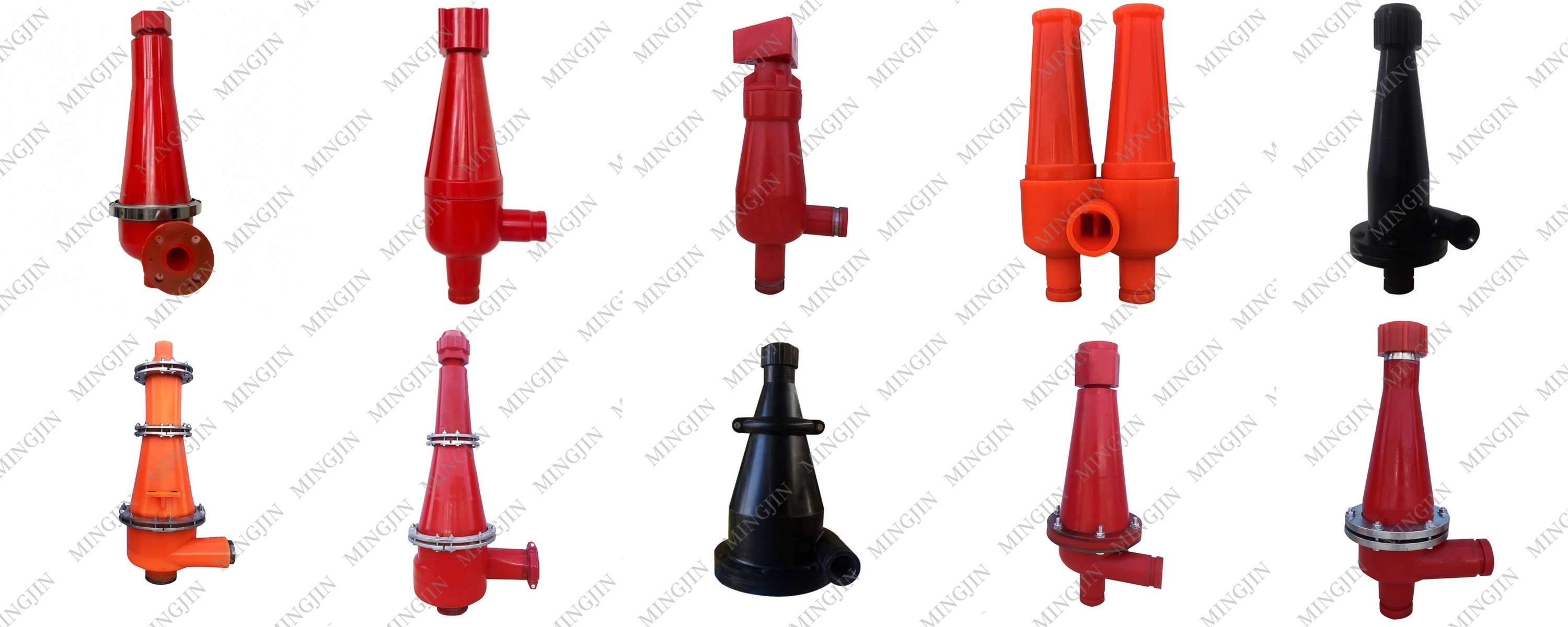
currently manufacturing 4-inch twin cones for the customers.
Jul 19,2026
The manufacturing process of the polyurethane desilter cone

As a professional manufacturer specializing in high-precision polyurethane for over 15 years, we have always prioritized matching our production capacity and process optimization to the evolving personalized demands of customers across semiconductor, optical coating, laboratory sintering and other high-end sectors. Our in-house R&D team spent more than 6 months iterating production formulas, polishing machining techniques and running repeated durability tests to perfect the 4-inch twin cone product, to make sure its dimensional tolerance, surface smoothness, high temperature resistance and structural stability can fully meet strict international industry benchmarks for core supporting parts. At present, we have officially launched the mass production of this model, and are fully arranging the production orders to deliver qualified products to our cooperative clients within the agreed lead time.
Conduct regular inspections of your hydraulic system, paying close attention to fittings, hoses, and seals for signs of wear, leaks, or fatigue. Regularly check the hydraulic fluid for contamination or degradation. Poor fluid quality can affect the performance of fittings and lead to system failures. Keep the connections clean to prevent dirt and debris from causing damage or leaks. Use appropriate cleaning solutions and tools to maintain cleanliness. If you notice any signs of wear or damage, replace fittings and hoses promptly to avoid larger issues down the line. ORFS stands for O-Ring Face Seal, a type of hydraulic fitting that uses an O-ring to create a seal. ORFS fittings provide a leak-proof connection, are durable, and are suitable for high-pressure applications. Measure the hose diameter accurately and refer to manufacturer specifications or fitting charts for the appropriate size. No, ORFS fittings have a unique design and sealing method that makes them distinct from other fitting types. Yes, with the right tools and following proper installation procedures, you can install ORFS fittings yourself. However, consulting a professional is advisable if you’re unsure. Selecting the right ORFS female 90-degree hydraulic fitting is not just about ensuring a connection; it's about enhancing the performance and reliability of your hydraulic system. By carefully considering application requirements, compatibility, and proper installation and maintenance practices, you can ensure that your hydraulic components work efficiently and effectively. With this comprehensive guide, you are now equipped to make informed decisions that will lead to successful hydraulic operations for years to come.1. Routine Inspections
2. Monitor Fluid Quality
3. Clean Connections Periodically
4. Replace Worn Components Promptly
Frequently Asked Questions (FAQs)
1. What does ORFS stand for?
2. What are the advantages of using ORFS fittings?
3. How do I know the correct size fitting for my hose?
4. Are ORFS fittings interchangeable with other types of fittings?
5. Can I install ORFS fittings by myself?
Conclusion
Key words:
PREVIOUS: