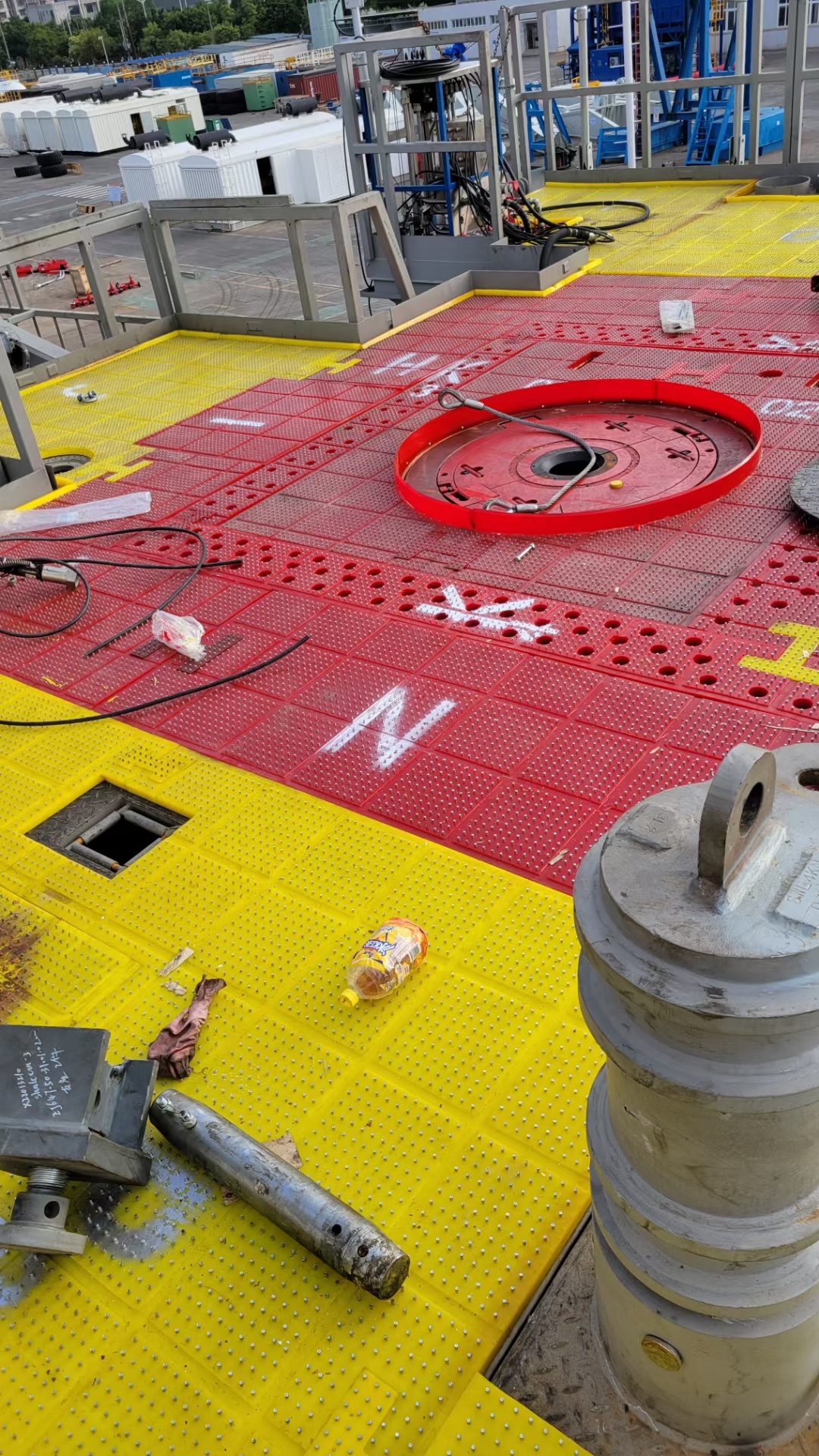
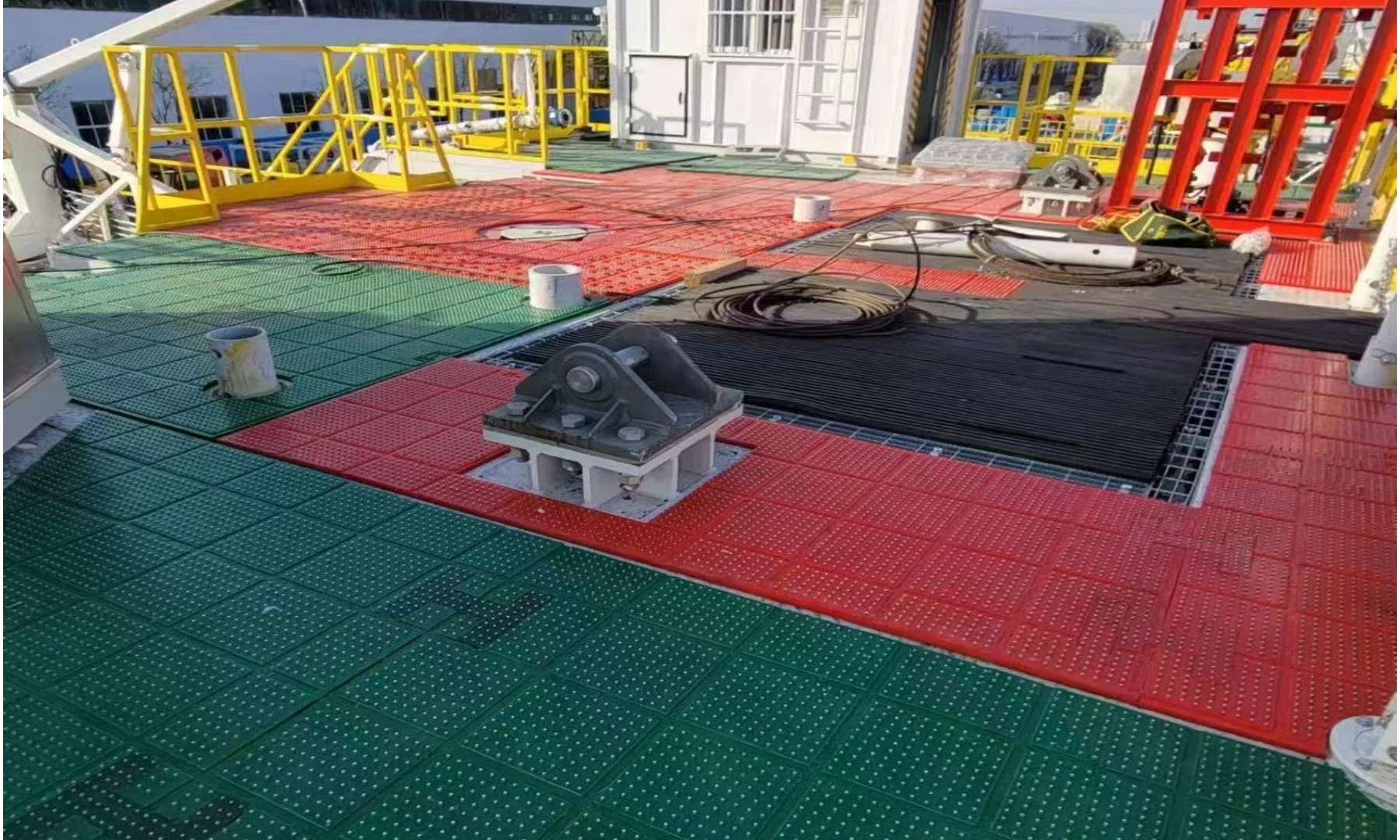
Enhancing Workplace Safety: The Science Behind Anti-Slip Mats for Drilling Platforms
Jun 01,2026
Enhancing Workplace Safety: The Science Behind Anti-Slip Mats for Drilling Platforms Table of Contents 1. Introduction to Workplace Safety 2. The Risks of Drilling Environments 3. Understanding Anti-Slip Mats 3.1 Materials Used in Anti-Slip Mats 3.2 How Anti-Slip Mats Work 4. Benefits of Using Anti-Slip Mats on Drilling Platforms
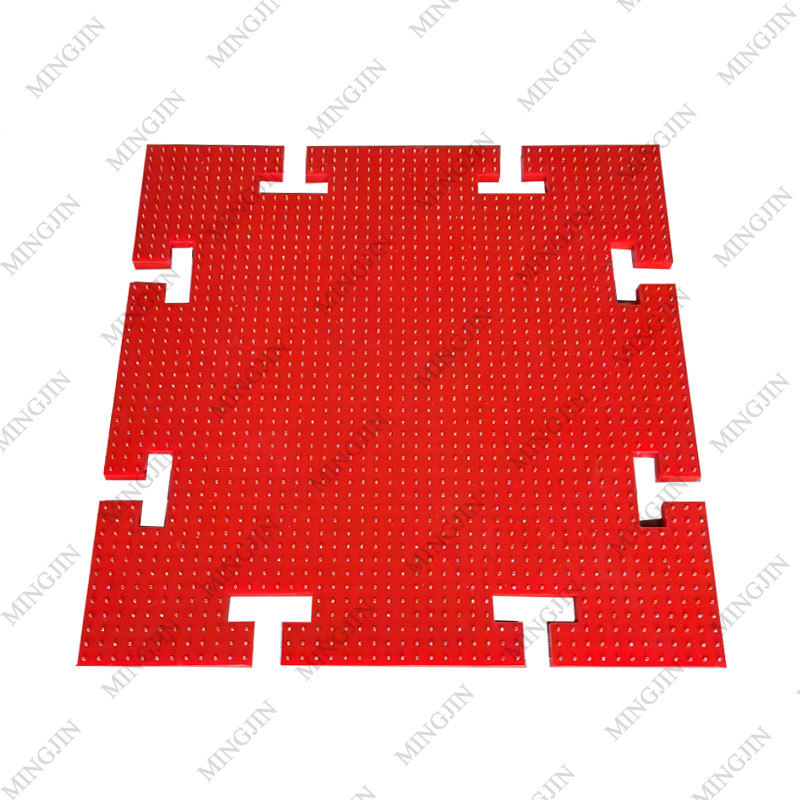
Enhancing Workplace Safety: The Science Behind Anti-Slip Mats for Drilling Platforms
Table of Contents
- 1. Introduction to Workplace Safety
- 2. The Risks of Drilling Environments
- 3. Understanding Anti-Slip Mats
- 4. Benefits of Using Anti-Slip Mats on Drilling Platforms
- 5. Best Practices for Implementing Anti-Slip Mats
- 6. Choosing the Right Anti-Slip Mat
- 7. Case Studies and Success Stories
- 8. Frequently Asked Questions
1. Introduction to Workplace Safety
In the world of drilling platforms, safety is paramount. The unique challenges presented by these environments, including wet surfaces, heavy machinery, and high foot traffic, create a pressing need for effective safety measures. This is where **anti-slip mats** play a critical role. These mats not only provide a safer walking surface but also contribute significantly to reducing workplace accidents and injuries.
2. The Risks of Drilling Environments
Drilling platforms are fraught with hazards. Employees often navigate through slippery conditions caused by spilled fluids, weather, and equipment malfunction. According to industry statistics, slips, trips, and falls account for a substantial percentage of workplace injuries on drilling platforms. Understanding these risks is vital for implementing strategic safety solutions.
The Impact of Slips, Trips, and Falls
The consequences of slips, trips, and falls extend beyond immediate physical injuries. They can lead to increased insurance costs, decreased productivity, and a decline in workplace morale. By addressing these issues through the use of anti-slip mats, companies can foster a safer, more efficient work environment.
3. Understanding Anti-Slip Mats
Anti-slip mats are specialized flooring solutions designed to enhance traction and prevent slips. The effectiveness of these mats can be attributed to their materials and design.
3.1 Materials Used in Anti-Slip Mats
Anti-slip mats are crafted from a range of materials, each selected for its unique properties:
- **Rubber**: Known for its durability and superior grip, rubber mats are ideal for heavy traffic areas.
- **Vinyl**: Lightweight and easy to clean, vinyl mats provide a good balance between safety and maintenance.
- **Polyurethane**: Excellent for chemical resistance, polyurethane mats are perfect for environments where spills are common.
3.2 How Anti-Slip Mats Work
These mats utilize a combination of surface textures and materials to enhance grip. The textured surface increases contact friction between the mat and footwear, significantly reducing the likelihood of slips. Additionally, many mats are designed to channel liquids away, preventing pooling that can lead to accidents.
4. Benefits of Using Anti-Slip Mats on Drilling Platforms
Implementing anti-slip mats on drilling platforms yields numerous advantages:
- **Enhanced Safety**: The primary benefit is reducing slip-related injuries.
- **Increased Productivity**: A safer work environment allows employees to focus on their tasks without fear of accidents.
- **Cost Savings**: Fewer accidents mean lower medical expenses and insurance premiums.
- **Regulatory Compliance**: Many industries are governed by strict safety regulations. Anti-slip mats can help meet these standards.
5. Best Practices for Implementing Anti-Slip Mats
To maximize the effectiveness of anti-slip mats, companies should consider the following best practices:
- **Assess Areas of High Risk**: Identify the most hazardous areas on the drilling platform where anti-slip mats will have the greatest impact.
- **Regular Maintenance**: Mats should be cleaned and inspected regularly to ensure they maintain their slip-resistant properties.
- **Employee Training**: Educating employees on the proper use of anti-slip mats can significantly enhance safety.
6. Choosing the Right Anti-Slip Mat
Selecting the right anti-slip mat involves assessing the specific needs of the drilling platform. Consider the following factors:
- **Traffic Type**: High-traffic areas may require more durable mats, while lower-traffic areas may benefit from lighter options.
- **Chemical Exposure**: For environments with chemical spills, choose mats made from resistant materials.
- **Weight and Thickness**: Mats should be thick enough to provide cushioning while being lightweight enough for easy handling.
7. Case Studies and Success Stories
Several drilling companies have successfully implemented anti-slip mats, resulting in notable improvements in workplace safety. For example, a leading oil and gas company reported a **30% reduction** in slip-related injuries after integrating anti-slip mats across their platforms. These success stories serve as a powerful testament to the effectiveness of anti-slip mats.
8. Frequently Asked Questions
What are anti-slip mats made of?
Anti-slip mats can be made from various materials, including rubber, vinyl, and polyurethane, each selected for its specific benefits in enhancing traction and durability.
How do anti-slip mats improve safety?
These mats improve safety by increasing friction between footwear and the mat surface, reducing the likelihood of slips and falls, especially in wet or oily conditions.
Where should I place anti-slip mats on a drilling platform?
Place anti-slip mats in high-traffic areas, near equipment, and in zones where spills frequently occur, such as around drilling machinery or storage areas.
How often should anti-slip mats be cleaned?
Regular cleaning is essential for maintaining the effectiveness of anti-slip mats. Depending on the environment, mats should be cleaned daily or weekly to remove contaminants.
Can anti-slip mats be used outdoors?
Yes, many anti-slip mats are designed for outdoor use, but it’s crucial to select mats that are weather-resistant and suitable for outdoor conditions.
Conclusion
In conclusion, implementing anti-slip mats on drilling platforms is a scientifically backed strategy to enhance workplace safety. By understanding the risks, benefits, and best practices related to anti-slip mats, companies can significantly reduce accidents and create a safer working environment for their employees. The investment in quality anti-slip mats not only protects workers but also fosters a culture of safety, efficiency, and compliance. By prioritizing safety measures, organizations can ensure the well-being of their employees and improve overall operational performance.
Key words:
PREVIOUS: