The Science Behind FX250 Hydrocyclones: A Deep Dive into Rubber Separation
Nov 18,2026
The Science Behind FX250 Hydrocyclones: A Deep Dive into Rubber Separation Table of Contents 1. Introduction to FX250 Hydrocyclones 2. Understanding Hydrocyclones 3. Principles of Operation of FX250 Hydrocyclones 4. The Rubber Separation Process 5. Advantages of FX250 Hydrocyclones in Rubber Processing 6. Applications of FX250 Hydrocyclones in the Industry 7. Maintenan

The Science Behind FX250 Hydrocyclones: A Deep Dive into Rubber Separation
Table of Contents
- 1. Introduction to FX250 Hydrocyclones
- 2. Understanding Hydrocyclones
- 3. Principles of Operation of FX250 Hydrocyclones
- 4. The Rubber Separation Process
- 5. Advantages of FX250 Hydrocyclones in Rubber Processing
- 6. Applications of FX250 Hydrocyclones in the Industry
- 7. Maintenance and Efficiency Considerations
- 8. The Future of Hydrocyclones in Rubber Separation
- 9. Frequently Asked Questions (FAQs)
- 10. Conclusion
1. Introduction to FX250 Hydrocyclones
The FX250 Hydrocyclone is a cutting-edge device specifically designed for separating rubber materials efficiently. In a world where industries are continuously striving for sustainability and efficiency, the FX250 stands out with its innovative design and functionality. This article provides an in-depth exploration of the science behind FX250 Hydrocyclones, focusing on their operational principles, advantages, and applications in rubber separation.
2. Understanding Hydrocyclones
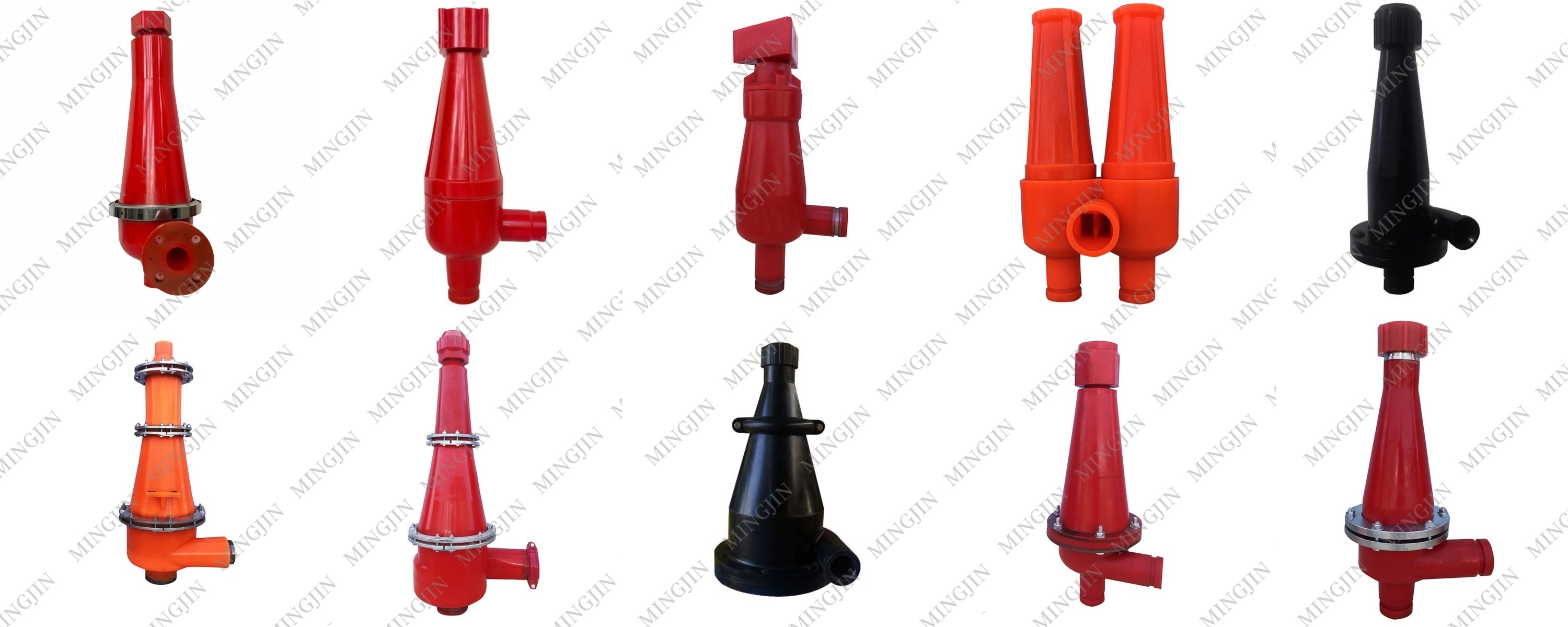
Hydrocyclones are mechanical devices that utilize centrifugal force to separate materials based on their density. They are widely used in various industries, including mining, wastewater treatment, and rubber processing. The basic design involves a cylindrical chamber, which allows for the creation of a vortex. As materials are fed into the hydrocyclone, denser particles are forced to the outer walls, while lighter particles move towards the center.
2.1 Basic Components of a Hydrocyclone
A typical hydrocyclone consists of the following components:
- **Feed Inlet:** Where the material enters the hydrocyclone.
- **Vortex Finder:** A pipe that extends into the hydrocyclone to extract the lighter materials.
- **Underflow Outlet:** A discharge point for denser materials.
- **Spigot:** Controls the flow of underflow material.
2.2 The Role of Centrifugal Force
Centrifugal force plays a crucial role in the operation of hydrocyclones. When the mixture enters the device, the design creates a rapid rotation that forces heavier particles to the outside. This action enhances the separation efficiency, which is vital in processes involving materials with different densities, such as rubber.
3. Principles of Operation of FX250 Hydrocyclones
The operational efficiency of FX250 Hydrocyclones stems from their unique design and engineering. The device operates on the principle of centrifugal separation, which optimizes rubber material segregation.
3.1 Operational Workflow
The workflow of FX250 Hydrocyclones can be summarized in three main steps:
1. **Feeding:** The rubber-containing slurry is introduced into the hydrocyclone through the feed inlet.
2. **Separation:** As the slurry moves through the hydrocyclone, centrifugal forces act on the particles, separating them based on density.
3. **Discharge:** The lighter rubber materials are expelled through the vortex finder, while heavier components exit via the underflow outlet.
3.2 Factors Affecting Separation Efficiency
Several factors influence the efficiency of separation in FX250 Hydrocyclones:
- **Feed Rate:** The speed at which the slurry is introduced.
- **Particle Size:** The dimensions of the rubber particles can impact separation efficiency.
- **Fluid Properties:** The viscosity and density of the slurry affect the hydrocyclone's performance.
4. The Rubber Separation Process
Rubber separation is critical in recycling and manufacturing processes. The FX250 Hydrocyclone offers a reliable solution for separating rubber from contaminants, ensuring that the rubber is of high quality for reuse.
4.1 Pre-Treatment of Rubber Materials
Before entering the hydrocyclone, rubber materials often undergo pre-treatment. This may include shredding or grinding to achieve a uniform particle size, which enhances the separation process.
4.2 Separation Mechanisms
The separation process in the FX250 Hydrocyclone involves several mechanisms:
- **Centrifugal Force:** As previously discussed, this is the primary mechanism driving separation.
- **Hydrodynamic Forces:** The interaction between fluid flow and particle motion also contributes to separation efficiency.
- **Gravity:** Heavier particles are naturally pulled downward, aiding in their separation from lighter materials.
5. Advantages of FX250 Hydrocyclones in Rubber Processing
The FX250 Hydrocyclone boasts multiple advantages that make it a preferred choice in rubber separation processes.
5.1 High Efficiency
The design maximizes separation efficiency, ensuring that the rubber collected is of superior quality with minimal contamination.
5.2 Cost-Effectiveness
By employing FX250 Hydrocyclones, companies can reduce operational costs related to labor and equipment maintenance due to their robust design and automation capabilities.
5.3 Environmentally Friendly
The efficient separation of rubber contributes to recycling efforts, promoting sustainability within the industry. This aligns with the global push towards greener manufacturing practices.
6. Applications of FX250 Hydrocyclones in the Industry
FX250 Hydrocyclones find application in various sectors beyond rubber processing, proving their versatility.
6.1 Rubber Recycling Plants
In rubber recycling facilities, FX250 Hydrocyclones efficiently separate rubber from contaminants, enabling the recovery of high-quality materials.
6.2 Manufacturing Industries
Manufacturers of rubber products often utilize FX250 Hydrocyclones to ensure the purity of raw materials, enhancing product quality.
6.3 Wastewater Treatment
These hydrocyclones can also be adapted for use in wastewater treatment, effectively separating solid contaminants from liquid waste.
7. Maintenance and Efficiency Considerations
Regular maintenance of FX250 Hydrocyclones is vital to ensure optimal performance and longevity.
7.1 Routine Maintenance Schedule
Establishing a routine maintenance schedule can prevent unexpected breakdowns. Key maintenance tasks include:
- **Cleaning:** Regularly clean the hydrocyclone to prevent clogging.
- **Inspection:** Frequently inspect for wear and tear, especially on the vortex finder and spigot.
- **Lubrication:** Ensure all moving parts are adequately lubricated.
7.2 Efficiency Optimization Techniques
To enhance the efficiency of FX250 Hydrocyclones, consider the following techniques:
- **Optimize Feed Conditions:** Adjust the feed rate and pressure for optimal performance.
- **Monitor Operating Conditions:** Use sensors to monitor key parameters such as pressure and flow rate.
8. The Future of Hydrocyclones in Rubber Separation
The future of hydrocyclones, particularly the FX250 model, appears promising as industries continue to innovate and prioritize sustainability.
8.1 Technological Advancements
Emerging technologies, including automation and AI, are expected to enhance the performance of hydrocyclones, making them even more efficient and user-friendly.
8.2 Sustainability Initiatives
As global industries shift towards sustainability, hydrocyclones like the FX250 will play a crucial role in facilitating environmentally responsible practices in rubber processing.
9. Frequently Asked Questions (FAQs)
9.1 What is the primary function of the FX250 Hydrocyclone?
The FX250 Hydrocyclone primarily functions to separate rubber materials from contaminants based on density using centrifugal force.
9.2 How does the FX250 compare to other hydrocyclones?
The FX250 offers higher efficiency and lower operational costs compared to traditional hydrocyclones, making it a preferred choice for rubber separation.
9.3 What maintenance is required for FX250 Hydrocyclones?
Routine maintenance includes cleaning, inspections, and lubrication to ensure optimal performance and longevity.
9.4 Can FX250 Hydrocyclones be used in industries other than rubber processing?
Yes, FX250 Hydrocyclones can be utilized in various applications, including wastewater treatment and other manufacturing processes.
9.5 What are the key factors affecting the efficiency of FX250 Hydrocyclones?
Key factors include feed rate, particle size, and fluid properties, all of which influence separation efficiency.
10. Conclusion
FX250 Hydrocyclones represent a significant advancement in the field of rubber separation. Their efficiency, cost-effectiveness, and eco-friendliness make them invaluable tools for industries aiming for sustainability. As technology continues to evolve, these hydrocyclones are poised to become even more integral to rubber processing and beyond, shaping the future of material separation. By understanding the science and operation of FX250 Hydrocyclones, industry professionals can make informed decisions that enhance productivity and contribute to a more sustainable future.
Key words:
PREVIOUS: