Innovative Solutions for Pipeline Connections: BSP Female Straight Fittings Explained
Nov 16,2026
Innovative Solutions for Pipeline Connections: BSP Female Straight Fittings Explained In the realm of pipeline infrastructure, the components that ensure effective and secure connections are of utmost importance. Among these components, BSP (British Standard Pipe) female straight fittings stand out for their versatility and reliability. Whether it’s in the chemical sector, hydraulics, or construct
Innovative Solutions for Pipeline Connections: BSP Female Straight Fittings Explained
In the realm of pipeline infrastructure, the components that ensure effective and secure connections are of utmost importance. Among these components, BSP (British Standard Pipe) female straight fittings stand out for their versatility and reliability. Whether it’s in the chemical sector, hydraulics, or construction, these fittings play a pivotal role in maintaining the integrity of pipeline systems. This article will explore the various facets of BSP female straight fittings, providing insights that are essential for anyone involved in pipeline design and installation.
Table of Contents
- What are BSP Female Straight Fittings?
- Specifications of BSP Female Straight Fittings
- Applications of BSP Female Straight Fittings
- Benefits of Using BSP Female Straight Fittings
- Installation and Maintenance Tips
- Common Challenges with BSP Female Straight Fittings
- Comparison with Other Fitting Types
- The Future of BSP Female Straight Fittings
- FAQs about BSP Female Straight Fittings
- Conclusion
What are BSP Female Straight Fittings?
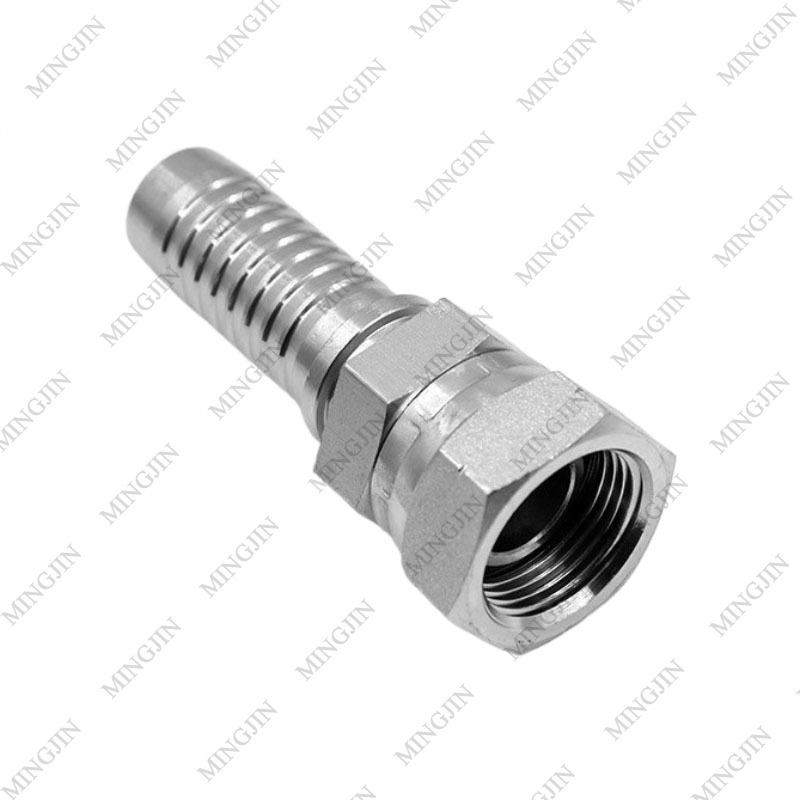
BSP female straight fittings are a type of connector used to join pipes in various applications. These fittings are characterized by internal threads that allow for easy attachment to male tapered or parallel threaded pipes. The **straight design** facilitates direct connections without any angular adjustments, making them particularly useful in applications requiring a straightforward pipe alignment.
These fittings adhere to the British Standard specifications, ensuring reliability and compatibility in international markets. They are commonly made from materials such as brass, stainless steel, or plastic, depending on the intended application and the medium being transported.
Specifications of BSP Female Straight Fittings
Understanding the specifications of BSP female straight fittings is vital for ensuring that they meet the necessary requirements for a specific application. Key specifications include:
1. Thread Types
BSP fittings come in two main thread types: **BSPT (British Standard Pipe Tapered)** and **BSPP (British Standard Pipe Parallel)**. BSPT is designed for tight seals, while BSPP is often used with O-rings or washers to prevent leakage.
2. Material Composition
The material of the fitting impacts its durability, resistance to corrosion, and suitability for specific environments. Common materials include:
- Brass: Ideal for water and air applications due to its resistance to corrosion.
- Stainless Steel: Best for high-pressure applications and corrosive environments.
- Plastic: Suitable for lightweight applications and chemicals.
3. Size Range
BSP female straight fittings are available in various sizes, typically ranging from 1/8 inch to 4 inches. Choosing the right size is crucial for maintaining optimal flow rates and pressure.
Applications of BSP Female Straight Fittings
BSP female straight fittings are widely utilized across numerous sectors due to their adaptability and reliability. Some common applications include:
1. Hydraulic Systems
In hydraulic systems, these fittings are essential for connecting hoses and tubes that transport hydraulic fluid. Their robust construction ensures that they can withstand high pressures, making them a staple in hydraulic machinery.
2. Water Supply Systems
Municipal and industrial water supply systems frequently use BSP fittings. They provide secure connections that prevent leaks and ensure the efficient transport of water.
3. Chemical Processing
In the chemical industry, materials that resist corrosion are critical. BSP female straight fittings made from stainless steel or specialized plastics are often used to transport various chemicals safely.
4. HVAC Systems
Heating, ventilation, and air conditioning (HVAC) systems also utilize these fittings for connecting pipes and ducts, ensuring efficient airflow and temperature regulation.
Benefits of Using BSP Female Straight Fittings
Choosing BSP female straight fittings for your pipeline connections offers several significant advantages:
1. Versatility
The versatility of BSP fittings allows them to be used in a wide array of applications, from water supply to industrial processes, making them a preferred choice for many engineers.
2. Reliability
These fittings are designed to provide reliable seals, significantly reducing the risk of leaks and ensuring safe operation in various environments.
3. Ease of Installation
BSP female straight fittings are generally straightforward to install, requiring minimal tools and expertise. This ease of installation saves time and labor costs in projects.
4. Cost-Effectiveness
Due to their durability and versatility, BSP female straight fittings are often a cost-effective solution in the long run, reducing maintenance and replacement costs.
Installation and Maintenance Tips
Proper installation and maintenance of BSP female straight fittings are crucial for ensuring their longevity and performance.
1. Preparing the Surfaces
Before installation, ensure that the mating surfaces are clean and free from debris. This helps achieve a secure connection and prevents leaks.
2. Using the Right Tools
Utilize appropriate tools for tightening the fittings. Over-tightening can lead to damage, while under-tightening may result in leaks.
3. Regular Inspection
Conduct regular inspections of the fittings to check for signs of wear, corrosion, or leaks. Early detection can prevent costly repairs.
4. Replacing Seals
In applications where BSPP fittings are used, regularly replace O-rings or sealing washers to maintain a reliable seal.
Common Challenges with BSP Female Straight Fittings
Despite their many advantages, users may encounter challenges when working with BSP female straight fittings. Here are some common issues and their solutions:
1. Thread Damage
Improper handling can lead to thread damage, making it difficult to achieve a secure connection. Always handle fittings carefully and consider using thread sealant for added protection.
2. Corrosion
In corrosive environments, fittings may degrade over time. Choose materials that are specifically designed for such conditions to mitigate this risk.
3. Fitting Misalignment
Misalignment can occur during installation, leading to leaks. Ensure proper alignment before tightening the fittings to avoid this issue.
Comparison with Other Fitting Types
BSP female straight fittings can be compared with other fitting types, such as NPT (National Pipe Thread) and JIC (Joint Industry Council) fittings, to understand their unique advantages:
1. BSP vs. NPT
BSP fittings are typically easier to install than NPT fittings due to their parallel thread design. NPT fittings require tighter tolerances, which can complicate the installation process.
2. BSP vs. JIC
JIC fittings are often used in high-pressure applications and provide a strong seal. However, BSP fittings are more versatile and can be used in a wider range of applications.
The Future of BSP Female Straight Fittings
As industries evolve, the demand for efficient and reliable pipeline connections grows. The future of BSP female straight fittings looks promising, with advancements in materials and manufacturing processes expected to enhance their performance further. Innovations such as **smart fittings** equipped with sensors for monitoring pressure and flow rates may soon become standard, allowing for more precise control in pipeline systems.
FAQs about BSP Female Straight Fittings
1. What is the difference between BSPT and BSPP?
BSPT fittings have tapered threads that create a seal when tightened, while BSPP fittings are parallel and require seals like O-rings or washers to prevent leakage.
2. Can BSP fittings be used for gas applications?
Yes, BSP fittings can be used for gas applications, provided they are made from suitable materials and adhere to the necessary safety standards.
3. How do I know which size BSP fitting to use?
Select the fitting size based on the pipe diameter and the specific requirements of your application to ensure optimal flow and pressure.
4. Are BSP fittings compatible with other standards?
BSP fittings are not directly compatible with NPT fittings due to differences in thread design. Adapters are available for conversion if necessary.
5. How can I prevent leaks in BSP fittings?
To prevent leaks, ensure that the fittings are properly tightened, regularly inspect for wear, and replace any damaged O-rings or seals.
Conclusion
BSP female straight fittings are integral components in various pipeline systems, offering versatility, reliability, and ease of use. Understanding their specifications, applications, and maintenance is essential for anyone involved in industries reliant on effective fluid transport. As technology advances, the future of these fittings promises exciting innovations that will enhance their performance and application scope further. By choosing BSP female straight fittings, you are not only ensuring the integrity of your pipeline systems but also investing in a solution that stands the test of time.
Key words: