Understanding the FX100 Desilter Hydrocyclone for Drilling Applications
Sep 06,2026
The FX100 desilter hydrocyclone is an essential piece of equipment in drilling operations, particularly in industries such as chemicals and rubber products. Its primary function is to separate and remove fine particles from drilling fluids, ensuring that the drilling process remains efficient and effective. By utilizing centrifugal force, the FX100 efficiently separates solids from liquids, allowi

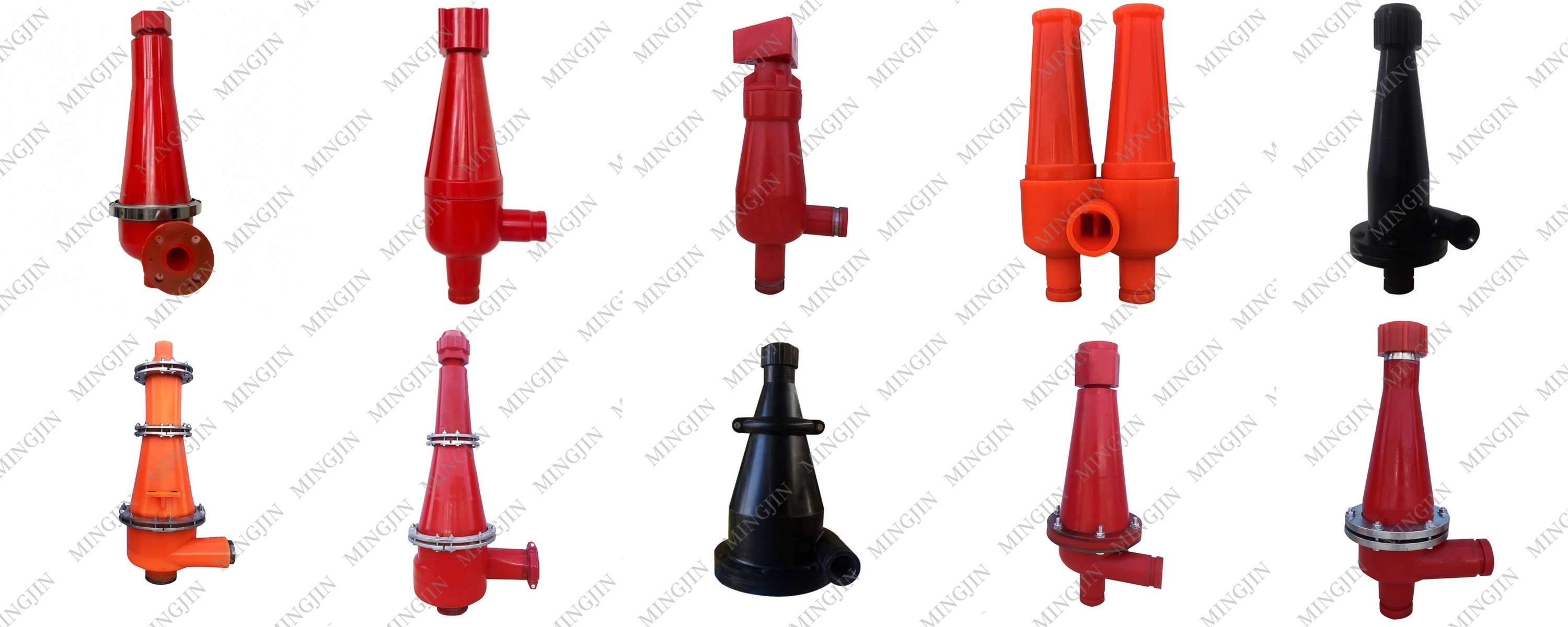
The FX100 desilter hydrocyclone is an essential piece of equipment in drilling operations, particularly in industries such as chemicals and rubber products. Its primary function is to separate and remove fine particles from drilling fluids, ensuring that the drilling process remains efficient and effective. By utilizing centrifugal force, the FX100 efficiently separates solids from liquids, allowing for the recycling and reuse of drilling fluids, which is critical for both economic and environmental reasons.
In drilling operations, the presence of fine solids can lead to various issues, including reduced fluid flow, increased wear on drilling equipment, and compromised drilling efficiency. The FX100 desilter hydrocyclone addresses these challenges by effectively removing particles that are smaller than what traditional methods can handle. This capability not only improves the quality of the drilling fluid but also enhances the overall performance of the drilling operation.
The design of the FX100 desilter hydrocyclone is engineered to maximize separation efficiency. It operates on the principle of hydrocyclone technology, where the drilling fluid enters the unit tangentially, creating a swirling motion. As the fluid spins, heavier solid particles are forced to the outer wall of the hydrocyclone, while the cleaner fluid moves toward the center and is discharged out of the top. This method effectively separates the solids from the fluid without the need for additional mechanical processes, making it a cost-effective solution for many drilling applications.
In addition to its efficiency, the FX100 desilter hydrocyclone also contributes to environmental sustainability. By enabling the recycling of drilling fluids, it helps reduce waste and the demand for new materials. This recycling capability is particularly important in the rubber industry, where the use of certain chemicals and materials can have significant environmental implications. By maintaining the integrity of drilling fluids, the FX100 helps ensure that operations remain compliant with environmental regulations.
Moreover, the reliability and low maintenance requirements of the FX100 desilter hydrocyclone make it an attractive option for companies in the chemical and rubber industries. Its robust construction ensures durability, allowing it to withstand the harsh conditions often found in drilling environments. This reliability translates into reduced downtime and operational costs, leading to improved profitability for drilling operations.
In conclusion, the FX100 desilter hydrocyclone is a vital tool in the drilling process, particularly within the chemical and rubber sectors. Its ability to effectively separate fine solids from drilling fluids enhances operational efficiency and sustainability. By understanding the benefits and functionality of the FX100, industry professionals can make informed decisions that positively impact their drilling operations.
In drilling operations, the presence of fine solids can lead to various issues, including reduced fluid flow, increased wear on drilling equipment, and compromised drilling efficiency. The FX100 desilter hydrocyclone addresses these challenges by effectively removing particles that are smaller than what traditional methods can handle. This capability not only improves the quality of the drilling fluid but also enhances the overall performance of the drilling operation.
The design of the FX100 desilter hydrocyclone is engineered to maximize separation efficiency. It operates on the principle of hydrocyclone technology, where the drilling fluid enters the unit tangentially, creating a swirling motion. As the fluid spins, heavier solid particles are forced to the outer wall of the hydrocyclone, while the cleaner fluid moves toward the center and is discharged out of the top. This method effectively separates the solids from the fluid without the need for additional mechanical processes, making it a cost-effective solution for many drilling applications.
In addition to its efficiency, the FX100 desilter hydrocyclone also contributes to environmental sustainability. By enabling the recycling of drilling fluids, it helps reduce waste and the demand for new materials. This recycling capability is particularly important in the rubber industry, where the use of certain chemicals and materials can have significant environmental implications. By maintaining the integrity of drilling fluids, the FX100 helps ensure that operations remain compliant with environmental regulations.
Moreover, the reliability and low maintenance requirements of the FX100 desilter hydrocyclone make it an attractive option for companies in the chemical and rubber industries. Its robust construction ensures durability, allowing it to withstand the harsh conditions often found in drilling environments. This reliability translates into reduced downtime and operational costs, leading to improved profitability for drilling operations.
In conclusion, the FX100 desilter hydrocyclone is a vital tool in the drilling process, particularly within the chemical and rubber sectors. Its ability to effectively separate fine solids from drilling fluids enhances operational efficiency and sustainability. By understanding the benefits and functionality of the FX100, industry professionals can make informed decisions that positively impact their drilling operations.
Key words:
PREVIOUS: