Mastering Separation Techniques: The Role of FX250 Desander Hydrocyclone in Chemical and Rubber Industries
Sep 05,2026
Introduction to Separation Techniques in the Chemical and Rubber Industries In the ever-evolving landscape of the **chemical and rubber industries**, efficient separation techniques are paramount for optimizing processes and ensuring product quality. One such innovation is the **FX250 Desander Hydrocyclone**, a device celebrated for its ability to separate solids from liquids effectively. This art

Introduction to Separation Techniques in the Chemical and Rubber Industries
In the ever-evolving landscape of the **chemical and rubber industries**, efficient separation techniques are paramount for optimizing processes and ensuring product quality. One such innovation is the **FX250 Desander Hydrocyclone**, a device celebrated for its ability to separate solids from liquids effectively. This article delves into the intricate workings of the FX250, its applications, advantages, and how it stands out as a pivotal tool in mastering separation techniques.
Understanding Hydrocyclones: A Brief Overview
Hydrocyclones are essential equipment in various industries, primarily used for solid-liquid separation. By leveraging centrifugal forces, hydrocyclones effectively separate materials based on their density and size. The operational efficiency of hydrocyclones, specifically the **FX250 Desander**, makes them indispensable in enhancing productivity in the **chemical and rubber sectors**.
The Science Behind Hydrocyclone Operation
At its core, a hydrocyclone operates by utilizing a rapidly rotating flow to create a centrifugal force. This force propels heavier particles towards the outer wall of the cyclone, where they are collected and discharged, while the lighter liquid escapes through the overflow. This principle is crucial for industries requiring high-efficiency separation, such as mineral processing, wastewater treatment, and the production of rubber products.
Key Components of the FX250 Desander Hydrocyclone
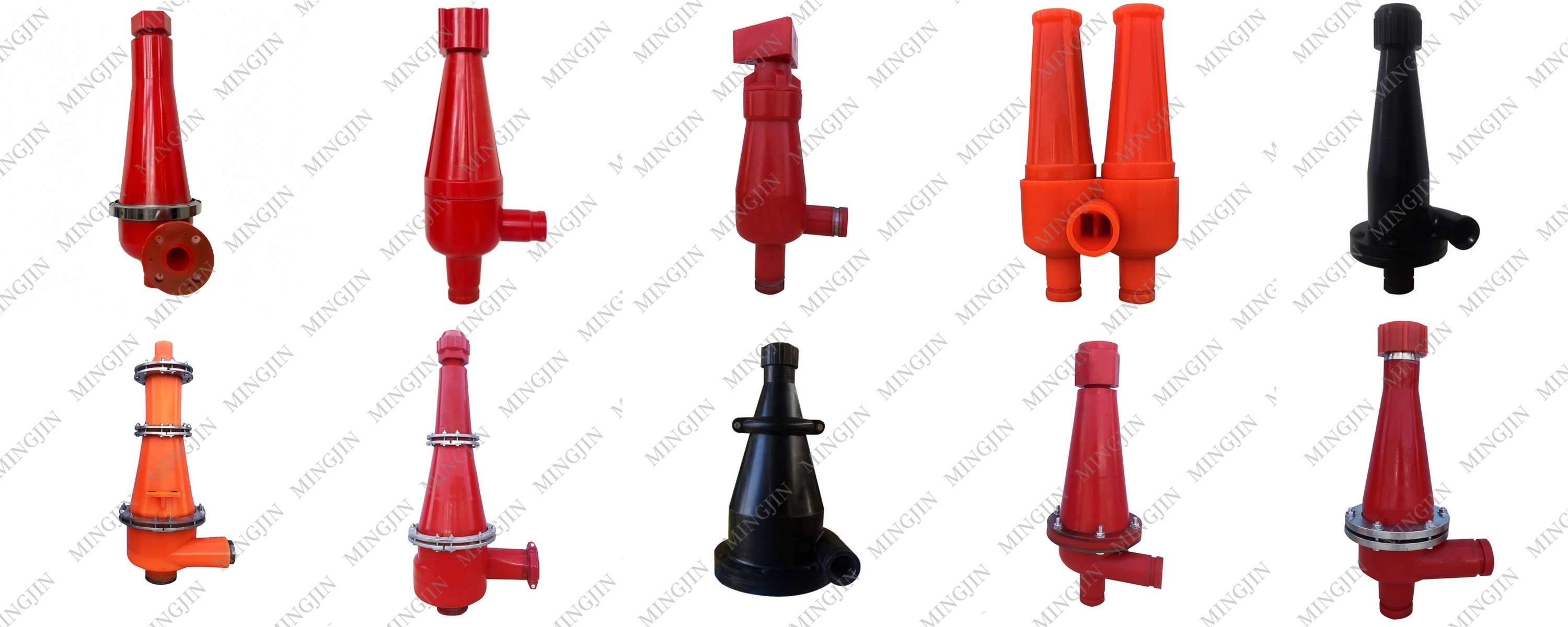
The FX250 Desander Hydrocyclone comprises several integral components that contribute to its effectiveness:
- **Inlet**: Where the feed mixture enters the hydrocyclone.
- **Vortex Finder**: A cylindrical structure that channels the lighter liquid to the overflow.
- **Spigot**: The outlet for heavier solids, allowing them to be discharged from the hydrocyclone.
- **Cone Section**: The area where the separation process occurs, promoting the swirling motion.
Each component plays a critical role in ensuring optimal separation efficiency, making the FX250 a preferred choice in various applications.
Applications of the FX250 Desander Hydrocyclone
The FX250 Desander Hydrocyclone finds extensive use in multiple applications across the **chemical and rubber industries**. Below are some of the key areas where it excels:
1. Wastewater Treatment
In wastewater treatment plants, the FX250 hydrocyclone effectively removes solids from liquid effluents, ensuring compliance with environmental regulations. The separation process minimizes sludge volumes, enhancing overall treatment efficiency.
2. Rubber Production
In the rubber manufacturing process, the FX250 plays a crucial role in separating fine particulate matter from latex. This ensures the purity of the final product, directly affecting its quality and performance.
3. Mining and Mineral Processing
The FX250 hydrocyclone is also utilized in mining operations to separate minerals from waste material. By optimizing the recovery of valuable resources, it contributes significantly to the economic viability of mining projects.
Advantages of Using the FX250 Desander Hydrocyclone
Employing the FX250 Desander Hydrocyclone offers several key benefits:
- **High Efficiency**: The hydrocyclone provides superior separation efficiency, significantly reducing waste and increasing resource recovery.
- **Compact Design**: Its compact size allows for easy integration into existing processes without requiring extensive modifications.
- **Cost-Effective**: The operational cost of the FX250 is lower compared to traditional separation techniques, leading to enhanced profitability.
- **Durability**: Constructed from high-quality materials, the FX250 is designed to withstand the rigors of industrial applications.
Operational Best Practices for FX250 Hydrocyclone
To maximize the performance of the FX250 Desander Hydrocyclone, adhering to best operational practices is crucial. Below are some recommendations:
1. Optimize Feed Conditions
Understanding the characteristics of the feed material is essential. Adjusting the inlet pressure and flow rate can significantly impact separation efficiency.
2. Regular Maintenance and Monitoring
Routine inspections and maintenance help prevent wear and tear, ensuring consistent performance. Monitoring operational parameters like pressure and flow can also aid in identifying potential issues before they escalate.
3. Tailored Applications
Different applications may require specific configurations of the FX250. Customizing the hydrocyclone settings based on the material being processed can lead to improved outcomes.
Case Study: FX250 in Action
To illustrate the effectiveness of the FX250, consider a case study involving a chemical plant that struggled with solid waste management. By integrating the FX250 hydrocyclone into their wastewater treatment process, they achieved a 30% reduction in sludge volume, significantly lowering disposal costs and enhancing their compliance with environmental standards.
Future Trends in Separation Technology
As industries continue to evolve, so do the technologies that support them. The future of separation technology, particularly in the context of the FX250 Desander Hydrocyclone, is poised for innovation:
1. Automation and Smart Technologies
With the rise of Industry 4.0, integrating IoT and automation with hydrocyclone systems is becoming increasingly common. This allows for real-time monitoring and optimization, enhancing efficiency and reducing downtime.
2. Sustainable Practices
Environmental sustainability is at the forefront of industrial practices. The FX250 hydrocyclone, with its efficient separation capabilities, aligns perfectly with the industry's shift toward more sustainable operations.
3. Advanced Materials
The development of new materials can enhance the durability and effectiveness of hydrocyclones, ensuring they can withstand more aggressive environments and complex materials.
Comparative Analysis: FX250 vs. Traditional Separation Methods
When evaluating the FX250 Desander Hydrocyclone against traditional separation methods, several key differences emerge:
1. Efficiency
Traditional methods often involve complex filtration systems that can be less efficient than the high centrifugal forces generated by the FX250. This results in better separation rates and lower operational costs.
2. Space Requirements
While traditional systems may require extensive space for installation and operation, the FX250’s compact design allows for efficient use of available space in facilities.
3. Maintenance Needs
The FX250 hydrocyclone typically requires less maintenance than traditional separation systems, offering a more reliable solution with fewer downtime periods.
Conclusion
Mastering separation techniques is vital in the chemical and rubber industries, and the **FX250 Desander Hydrocyclone** stands as a testament to innovation in this field. Its high efficiency, compact design, and adaptability make it an invaluable tool for improving separation processes. As industries continue to embrace advanced technologies and sustainable practices, the FX250 will undoubtedly play a crucial role in shaping the future of separation technology. Understanding its operational principles and applications not only enhances productivity but also contributes to a more sustainable industrial environment.
FAQs
1. What materials can the FX250 Desander Hydrocyclone effectively separate?
The FX250 is designed to separate a wide range of materials, including fine solids from liquids in various applications such as wastewater treatment and rubber production.
2. How does the FX250 compare to other hydrocyclones?
The FX250 boasts higher separation efficiency, a compact design, and lower maintenance needs compared to many traditional hydrocyclones.
3. Can the FX250 be integrated into existing systems?
Yes, the compact design of the FX250 allows for easy integration into current processing systems without extensive modifications.
4. What are the maintenance requirements for the FX250 Hydrocyclone?
Routine inspections and monitoring of operational parameters are recommended to ensure optimal performance and longevity of the FX250.
5. Is the FX250 suitable for environmentally sustainable practices?
Absolutely. The efficient separation capability of the FX250 contributes to reduced waste and aligns with the industry's shift toward more sustainable practices.
Key words:
PREVIOUS: