Exploring the Different Types of Hydraulic Fittings for Construction Applications
May 08,2026
Exploring the Different Types of Hydraulic Fittings for Construction Applications Hydraulic fittings play a crucial role in the construction industry, being integral components that connect various parts of hydraulic systems. These fittings ensure efficient and safe operation, which is vital in environments where heavy machinery and equipment are involved. In this article, we will explore the diff
Exploring the Different Types of Hydraulic Fittings for Construction Applications
Hydraulic fittings play a crucial role in the construction industry, being integral components that connect various parts of hydraulic systems. These fittings ensure efficient and safe operation, which is vital in environments where heavy machinery and equipment are involved. In this article, we will explore the different types of hydraulic fittings, their applications, benefits, and considerations for selecting the right fittings for specific construction needs.
Table of Contents
1. Understanding Hydraulic Fittings in Construction Applications
2. Types of Hydraulic Fittings
2.1. Elbow Fittings
2.2. Tee Fittings
2.3. Couplings
2.4. Adapters
2.5. Cross Fittings
3. Materials Used in Hydraulic Fittings
3.1. Steel
3.2. Stainless Steel
3.3. Brass
3.4. Plastic
4. Key Considerations When Selecting Hydraulic Fittings
4.1. Pressure Ratings
4.2. Compatibility with Fluids
4.3. Size and Dimensions
4.4. Environmental Factors
5. Benefits of Using Quality Hydraulic Fittings
6. Common Applications of Hydraulic Fittings in Construction
7. Maintenance Tips for Hydraulic Fittings
8. Frequently Asked Questions (FAQs)
9. Conclusion
1. Understanding Hydraulic Fittings in Construction Applications
Hydraulic fittings are specialized connectors that link hoses, pipes, and tubes in hydraulic systems. These devices are engineered to manage fluid flow under pressure and are commonly used in various applications, including construction equipment, hydraulic machinery, and industrial systems. Understanding the function and types of hydraulic fittings is essential for ensuring operational efficiency and safety in construction projects.
Hydraulic systems rely on the proper functioning of these fittings to maintain pressure, prevent leaks, and facilitate easy maintenance. They are designed to withstand high pressures and corrosive environments, making them indispensable in construction applications where durability and reliability are paramount.
2. Types of Hydraulic Fittings
Selecting the right hydraulic fitting is critical for the success of any construction project. Below are some of the most common types of hydraulic fittings used in the industry.
2.1. Elbow Fittings
Elbow fittings are designed to change the direction of fluid flow in hydraulic systems. They come in various angles, typically 45 degrees or 90 degrees, allowing for flexibility in system design. Elbow fittings are crucial in applications where space constraints necessitate changes in direction without adding excess length to the piping system.
2.2. Tee Fittings
Tee fittings create a branch in the hydraulic line, allowing fluid to flow into two different directions. These fittings are particularly useful in complex hydraulic systems, where multiple components need to be connected from a single source. The versatility of tee fittings makes them a popular choice in various construction applications.
2.3. Couplings
Couplings are fittings that connect two hoses or pipes together. They are essential for creating a secure and leak-proof connection, enabling the transfer of hydraulic fluid between different components. Couplings can be quick-release or permanent, offering flexibility depending on the project's needs.
2.4. Adapters
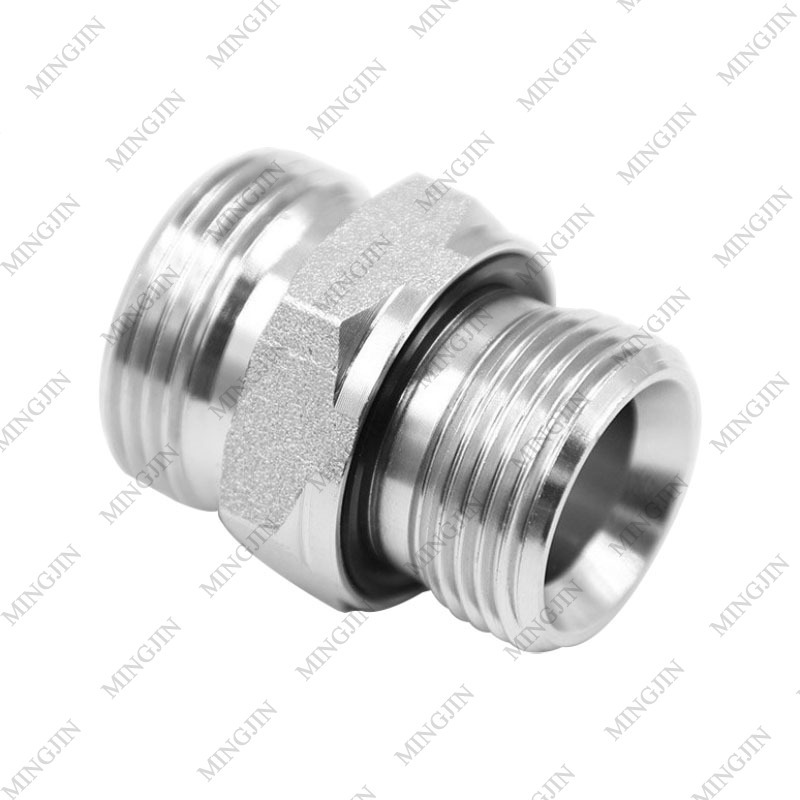
Adapters are used to connect two different types of fittings or to change the size of a fitting. They are vital in systems where components from different manufacturers are used or where system upgrades require compatibility with existing fittings. The ability to adapt to varying specifications ensures the hydraulic system remains efficient and functional.
2.5. Cross Fittings
Cross fittings allow for the branching of a hydraulic line into four directions. These fittings are less common but are essential when multiple connections are needed in close proximity. Cross fittings help maintain a compact design while ensuring fluid flow remains uninterrupted.
3. Materials Used in Hydraulic Fittings
The material used in hydraulic fittings significantly impacts their performance, durability, and longevity. Below are some of the most common materials found in hydraulic fittings.
3.1. Steel
Steel is a popular choice for hydraulic fittings due to its strength and durability. Steel fittings can withstand high pressures, making them suitable for heavy-duty applications. However, they may be prone to rust if not properly coated or maintained.
3.2. Stainless Steel
Stainless steel fittings offer excellent corrosion resistance, making them ideal for environments where moisture or corrosive fluids are present. They are often used in applications requiring cleanliness and hygiene, such as food processing or pharmaceutical industries.
3.3. Brass
Brass fittings are known for their excellent machinability and resistance to corrosion. They are often used in lower-pressure applications and are a common choice for plumbing and fluid transfer systems.
3.4. Plastic
Plastic fittings are lightweight and resistant to corrosion, making them suitable for applications where weight savings are critical. However, they are generally limited to lower pressure systems and may not be as durable as metal fittings.
4. Key Considerations When Selecting Hydraulic Fittings
When choosing hydraulic fittings for construction applications, several critical factors must be taken into account to ensure optimal performance and reliability.
4.1. Pressure Ratings
Each hydraulic fitting has a pressure rating that indicates the maximum pressure it can withstand. It is essential to select fittings that can handle the operating pressures of your hydraulic system to prevent failure and ensure safety.
4.2. Compatibility with Fluids
Hydraulic fluids vary widely in composition and can be corrosive or abrasive. Ensure that the materials used in the fittings are compatible with the specific hydraulic fluid in use to avoid chemical degradation and leaks.
4.3. Size and Dimensions
The size and dimensions of fittings must match the hoses or pipes they will connect. Proper sizing is crucial for maintaining flow rates and preventing leaks. Take precise measurements before purchasing fittings to ensure compatibility.
4.4. Environmental Factors
Consider the environmental conditions where the hydraulic fittings will be used. Factors such as temperature extremes, exposure to chemicals, and moisture levels can impact the performance and lifespan of the fittings. Selecting materials suitable for the specific environment will enhance durability.
5. Benefits of Using Quality Hydraulic Fittings
Investing in high-quality hydraulic fittings offers numerous advantages, including:
- **Enhanced Safety**: Quality fittings reduce the risk of leaks and failures, ensuring safer operation of hydraulic systems.
- **Improved Efficiency**: Well-designed fittings facilitate smooth fluid flow, improving the overall efficiency of hydraulic systems.
- **Longer Lifespan**: Durable materials and construction lead to longer-lasting fittings, reducing replacement costs over time.
- **Reduced Maintenance**: Reliable fittings require less frequent servicing, leading to lower maintenance costs and less downtime.
6. Common Applications of Hydraulic Fittings in Construction
Hydraulic fittings are used in various construction applications, including:
- **Excavators**: Hydraulic fittings connect hoses and cylinders that control the movement of various excavator components.
- **Cranes**: Fittings play a crucial role in the hydraulic systems that power cranes, ensuring smooth operation during lifting and lowering activities.
- **Bulldozers**: Hydraulic systems in bulldozers utilize fittings to control blade movement, providing precision and efficiency.
- **Concrete Pumps**: Fittings are essential for transferring concrete through hoses, ensuring consistency and flow during pouring operations.
7. Maintenance Tips for Hydraulic Fittings
Regular maintenance of hydraulic fittings is essential for ensuring their longevity and performance. Consider the following tips:
- **Inspect Regularly**: Frequently check fittings for wear, corrosion, or leaks.
- **Clean Thoroughly**: Always keep fittings clean and free from debris to prevent contamination of hydraulic fluids.
- **Tighten Connections**: Ensure that all fittings are properly tightened to prevent leaks.
- **Replace Worn Parts**: Promptly replace any damaged or worn fittings to maintain system integrity.
8. Frequently Asked Questions (FAQs)
1. What are the most common types of hydraulic fittings used in construction?
The most common types include elbow fittings, tee fittings, couplings, adapters, and cross fittings.
2. How do I know which hydraulic fitting to choose for my application?
Consider factors such as pressure ratings, compatibility with fluids, size and dimensions, and environmental conditions.
3. Can I use plastic hydraulic fittings in high-pressure systems?
Plastic fittings are generally not suitable for high-pressure systems. It’s best to use metal fittings for such applications.
4. How often should hydraulic fittings be inspected?
Regular inspections should be conducted at least once a month, or more frequently in high-use applications.
5. What can I do to prevent leaks in hydraulic fittings?
Ensure that fittings are properly tightened, regularly maintain the system, and replace any worn or damaged parts promptly.
9. Conclusion
In summary, hydraulic fittings are vital components in the construction industry, ensuring the efficient and safe operation of hydraulic systems. Understanding the different types of fittings, their materials, and key selection considerations is essential for anyone involved in construction or hydraulic system maintenance. By investing in quality hydraulic fittings and adhering to maintenance best practices, you can enhance the performance and longevity of hydraulic systems, ultimately contributing to the success of your construction projects.
Key words: