Prevent Slips and Falls: The Benefits of Anti-Slip Mats on Drilling Platforms
Apr 02,2026
Prevent Slips and Falls: The Benefits of Anti-Slip Mats on Drilling Platforms Table of Contents Introduction to Anti-Slip Mats The Importance of Safety on Drilling Platforms What Are Anti-Slip Mats? Key Benefits of Anti-Slip Mats Enhanced Safety for Workers Reduction in Slips and Falls Cost-Effectiveness in the Long Run Improved Productivity on the Job Types of Anti-Sl

Prevent Slips and Falls: The Benefits of Anti-Slip Mats on Drilling Platforms
Table of Contents
- Introduction to Anti-Slip Mats
- The Importance of Safety on Drilling Platforms
- What Are Anti-Slip Mats?
- Key Benefits of Anti-Slip Mats
- Enhanced Safety for Workers
- Reduction in Slips and Falls
- Cost-Effectiveness in the Long Run
- Improved Productivity on the Job
- Types of Anti-Slip Mats Suitable for Drilling Platforms
- Installation Tips for Anti-Slip Mats
- Maintenance Tips to Ensure Longevity
- Case Studies: Real-World Applications
- Conclusion
- Frequently Asked Questions
Introduction to Anti-Slip Mats
In the fast-paced environment of drilling platforms, worker safety is of paramount importance. The risk of slips and falls is a serious concern, with potentially devastating consequences. One effective solution to enhance safety is the use of **anti-slip mats**. These mats are specifically designed to provide a safer surface for workers, reducing the chances of accidents and injuries.
The Importance of Safety on Drilling Platforms
Drilling platforms are characterized by their demanding conditions, including wet, oily, and uneven surfaces that can easily lead to slips. Ensuring a safe working environment is not just a regulatory requirement; it is a moral obligation to protect the well-being of workers. Each year, thousands of injuries occur due to slips and falls in industrial settings, and preventing these accidents should be a primary focus for companies operating in the drilling industry.
What Are Anti-Slip Mats?
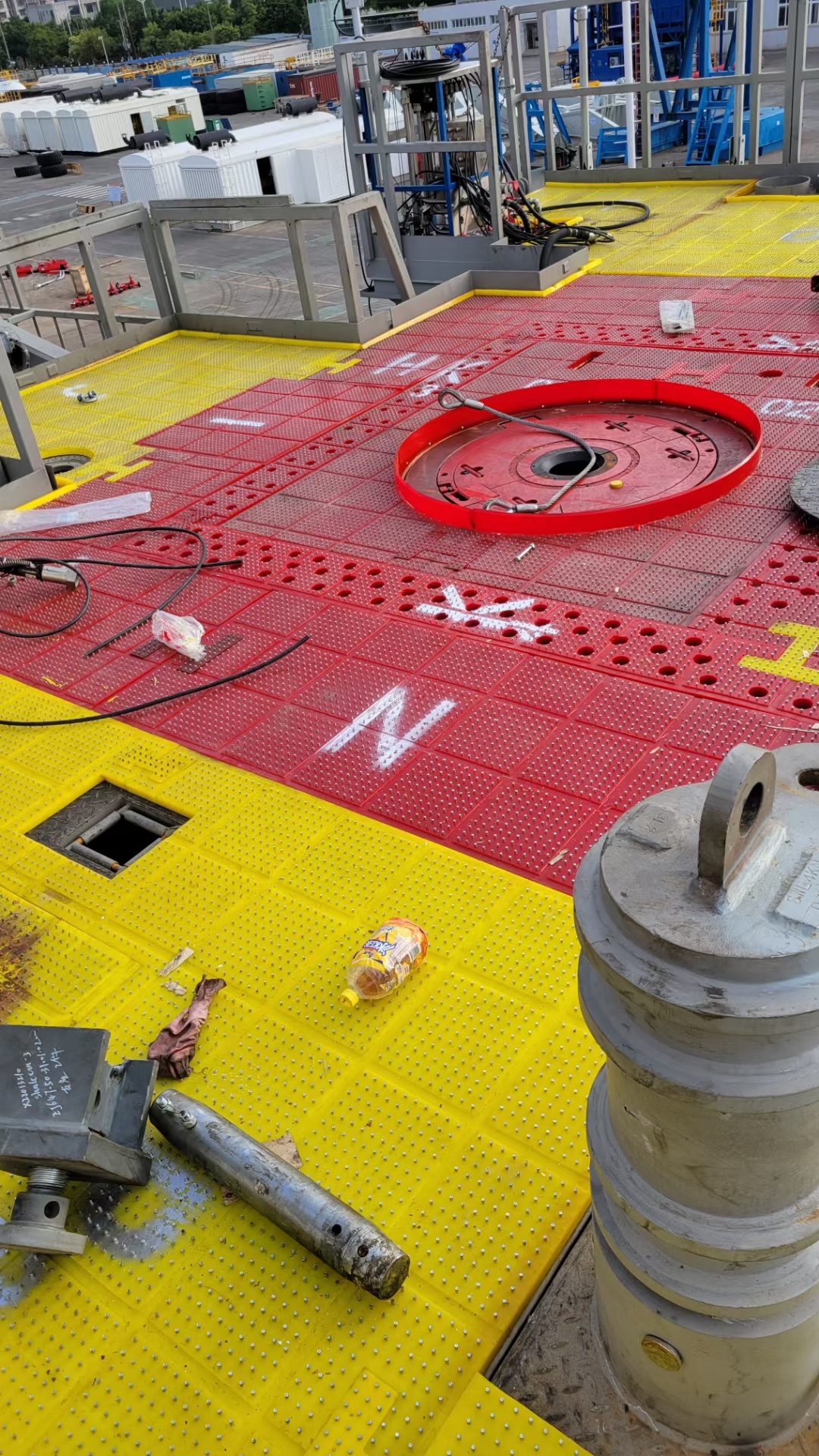
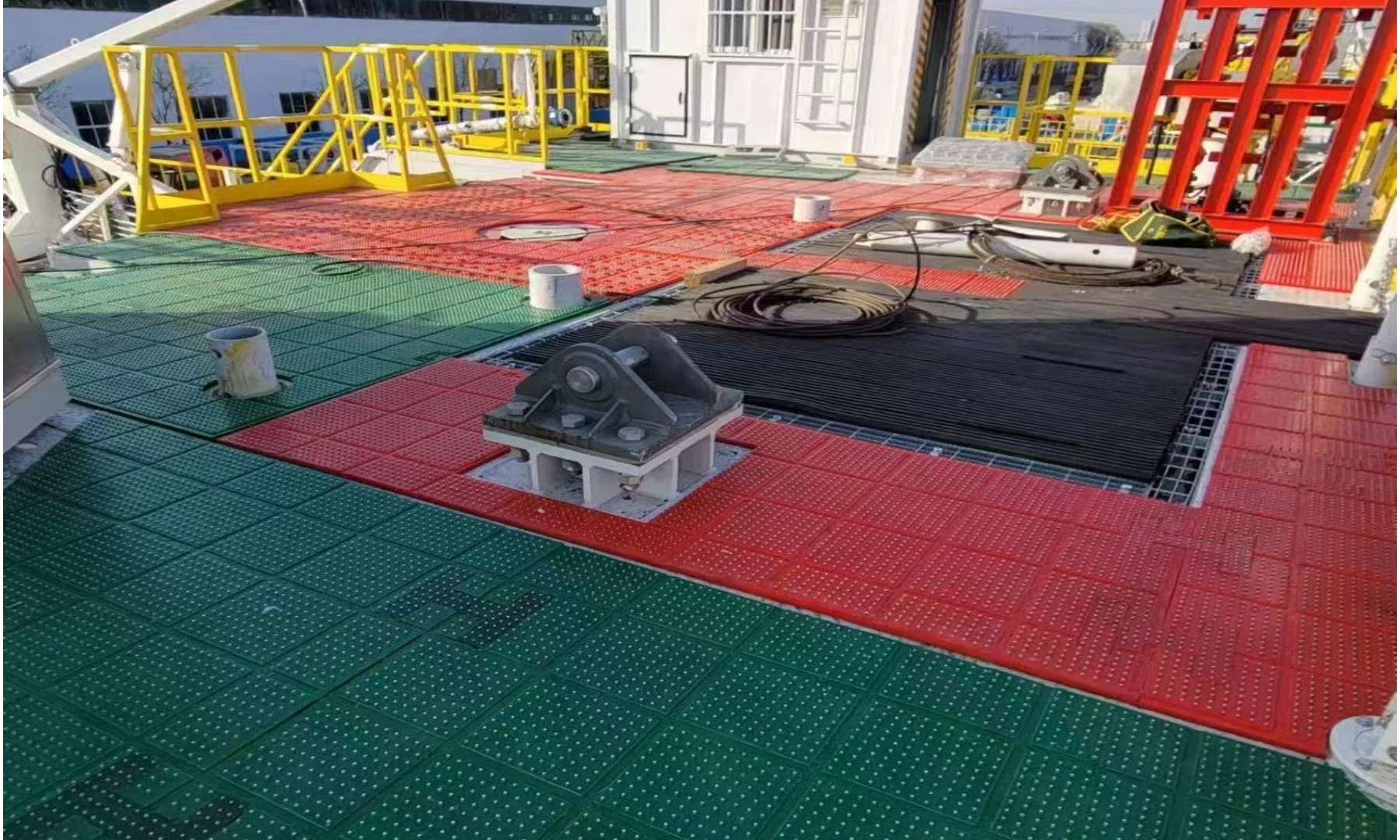
Anti-slip mats are specialized flooring solutions designed to provide traction on slick surfaces. Typically made from rubber or other high-friction materials, these mats can be placed in various locations on drilling platforms where slipping hazards are prevalent. They come in a variety of sizes, textures, and designs to accommodate different needs and environments.
Key Benefits of Anti-Slip Mats
Implementing anti-slip mats on drilling platforms offers several significant advantages:
Enhanced Safety for Workers
The primary benefit of anti-slip mats is their ability to enhance safety. By providing a textured surface, these mats reduce the likelihood of slips and falls, allowing workers to move freely and confidently in potentially hazardous areas.
Reduction in Slips and Falls
Statistical evidence supports the assertion that anti-slip mats significantly reduce the incidence of slips and falls. Their use can lead to a safer workplace culture and lower accident rates, which in turn minimizes downtime and workers' compensation claims.
Cost-Effectiveness in the Long Run
Investing in anti-slip mats can be seen as a cost-effective measure. By preventing accidents, companies can avoid costly litigation, medical expenses, and lost productivity. In the long run, the cost of purchasing and maintaining these mats is far outweighed by the savings gained through reduced incidents.
Improved Productivity on the Job
When workers feel safe, they are more productive. Anti-slip mats provide a secure footing that allows employees to concentrate on their tasks without the constant worry of slipping. This increase in focus can lead to improved efficiency and greater overall output.
Types of Anti-Slip Mats Suitable for Drilling Platforms
Selecting the right type of anti-slip mat is crucial for maximizing safety. Various types of mats cater to specific needs on drilling platforms:
Rubber Anti-Slip Mats
Rubber mats are durable and provide excellent traction. They are resistant to chemicals, making them ideal for environments where spills may occur.
Vinyl Anti-Slip Mats
Vinyl mats are lightweight and easy to clean, offering a good balance between safety and maintenance. They are often used in less demanding areas.
Heavy-Duty Anti-Slip Mats
These mats are designed for high-traffic areas and extreme conditions. They can withstand significant wear and tear while providing maximum grip.
Installation Tips for Anti-Slip Mats
Proper installation is key to ensuring the effectiveness of anti-slip mats. Here are some tips for successful installation:
1. **Clean the Surface**: Before laying down mats, ensure the surface is clean and dry to allow for maximum adhesion.
2. **Choose the Right Size**: Select mats that fit the area precisely to prevent tripping hazards.
3. **Secure Edges**: Use adhesive or tape to secure the edges of the mats, preventing them from curling or lifting.
4. **Regularly Check for Damage**: Inspect mats frequently for wear or damage and replace them as necessary to maintain safety standards.
Maintenance Tips to Ensure Longevity
Maintaining anti-slip mats is essential for their continued performance. Here are some maintenance tips:
- **Routine Cleaning**: Regularly clean mats to remove dirt, grime, and spills that could compromise their anti-slip properties.
- **Check for Wear**: Periodically inspect mats for signs of wear and tear, addressing any damage immediately.
- **Store Properly**: When not in use, store mats in a dry, clean area to prolong their lifespan.
Case Studies: Real-World Applications
To understand the effectiveness of anti-slip mats, let's look at a few real-world applications:
- **Case Study 1: Offshore Drilling Rig**
An offshore drilling rig implemented anti-slip mats in its operational areas. Over six months, the rig reported a 50% reduction in slip-related incidents, thereby improving worker safety and confidence.
- **Case Study 2: Onshore Drilling Platform**
An onshore platform, facing challenges with wet surfaces, adopted heavy-duty rubber mats. The results showed fewer accidents and an increase in overall productivity, as workers were less distracted by safety concerns.
Conclusion
In conclusion, the implementation of **anti-slip mats** on drilling platforms is not only a proactive measure to enhance safety but also a strategic investment in worker well-being and productivity. By understanding the benefits, types, installation, and maintenance of these mats, companies can significantly reduce the risk of slips and falls, leading to a safer working environment. As the drilling industry continues to evolve, prioritizing safety through the use of effective solutions like anti-slip mats is essential for fostering a culture of safety and efficiency.
Frequently Asked Questions
1. What are anti-slip mats made of?
Anti-slip mats are typically made from materials such as rubber, vinyl, or heavy-duty polymers designed to provide traction and durability in various environments.
2. How do I choose the right anti-slip mat for my drilling platform?
Consider the specific conditions of your drilling platform, such as traffic levels, exposure to chemicals, and the types of surfaces present. Selecting the appropriate mat material and design is crucial for maximizing safety.
3. Can anti-slip mats be used outdoors?
Yes, many anti-slip mats are designed for outdoor use and can withstand varying weather conditions. However, it’s essential to choose mats specifically labeled for outdoor applications.
4. How often should anti-slip mats be replaced?
The lifespan of anti-slip mats can vary based on usage, but regular inspections should be conducted for signs of wear. Generally, mats should be replaced when they show significant damage or loss of traction.
5. Are there any specific maintenance requirements for anti-slip mats?
Maintenance primarily involves regular cleaning to remove debris and spills, along with periodic inspections for wear. Following the manufacturer’s guidelines will ensure optimal performance.
Key words: