Understanding JIC Female 90-Degree Hydraulic Connectors: A Key Component in Chemical and Rubber Industries
Mar 30,2026
In the chemical and rubber industries, efficient fluid transfer and management are critical for operational success. One essential component that plays a significant role in achieving this is the JIC female 90-degree hydraulic connector. These connectors are designed to facilitate the connection of hydraulic systems, ensuring that fluid flows seamlessly between different components. Understanding
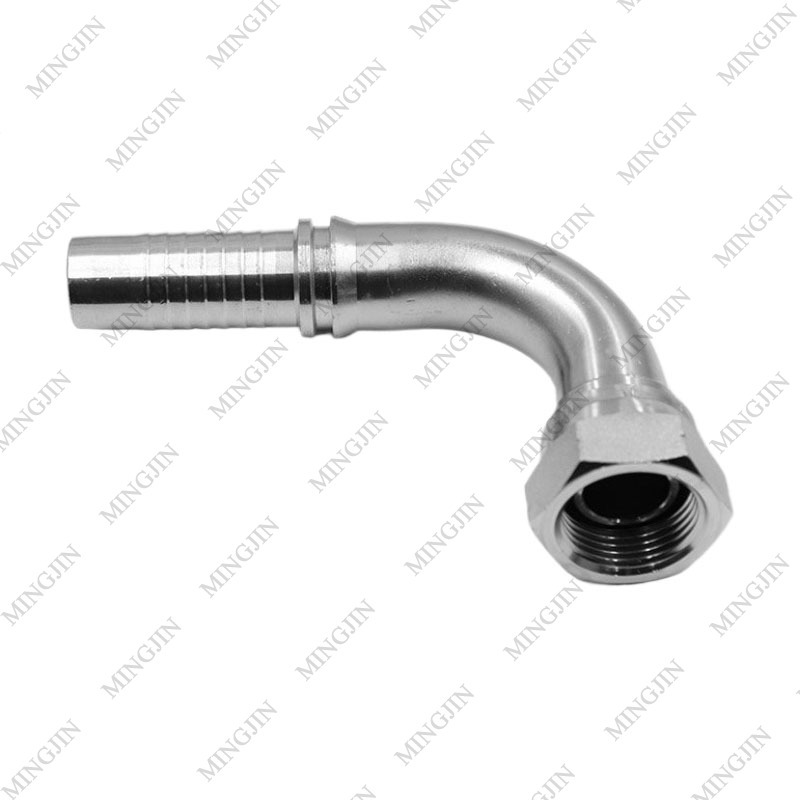
In the chemical and rubber industries, efficient fluid transfer and management are critical for operational success. One essential component that plays a significant role in achieving this is the JIC female 90-degree hydraulic connector. These connectors are designed to facilitate the connection of hydraulic systems, ensuring that fluid flows seamlessly between different components. Understanding their functionality and application can greatly enhance operational efficiency and reliability in various processes.
The term "JIC" stands for Joint Industry Council, which developed a standard for hydraulic connections. JIC female connectors feature a 37-degree flare seating surface that provides a tight seal, preventing leaks during operation. The 90-degree angle allows for flexible routing of hydraulic lines, which is particularly useful in confined spaces or areas with complex layouts. This design not only conserves space but also minimizes the risk of damage to hoses and pipes, thereby extending their lifespan.
One of the primary benefits of utilizing JIC female 90-degree hydraulic connectors is their versatility. These connectors can be employed across a wide range of applications, from heavy machinery to chemical processing plants. Their robust construction ensures that they can withstand high pressures and temperatures, making them suitable for challenging environments often encountered in the chemical and rubber sectors.
When selecting JIC female 90-degree hydraulic connectors, professionals should consider several key factors. Firstly, it is essential to ensure compatibility with existing system components. The dimensions, thread type, and material of the connector must align with the hydraulic system to ensure optimal performance. Common materials used for these connectors include steel, stainless steel, and brass, each offering distinct advantages such as corrosion resistance and durability.
Another important consideration is the operating conditions of the application. High-pressure systems may require connectors with enhanced strength and reliability. Additionally, understanding the type of fluids being transferred is critical, as certain materials may react negatively with specific chemicals. Conducting a thorough analysis of these factors can significantly reduce the risk of connector failure and enhance overall system reliability.
Furthermore, regular maintenance and inspection of hydraulic connections are essential practices in the chemical and rubber industries. Over time, connectors may experience wear and tear, leading to potential leaks and operational inefficiencies. Implementing a routine check-up schedule can help identify issues before they escalate, ensuring smooth and safe operations.
In conclusion, JIC female 90-degree hydraulic connectors are vital components in the chemical and rubber industries, offering flexibility and reliability in hydraulic systems. By understanding their features, applications, and maintenance needs, professionals can make informed decisions that contribute to the efficiency and safety of their operations.
The term "JIC" stands for Joint Industry Council, which developed a standard for hydraulic connections. JIC female connectors feature a 37-degree flare seating surface that provides a tight seal, preventing leaks during operation. The 90-degree angle allows for flexible routing of hydraulic lines, which is particularly useful in confined spaces or areas with complex layouts. This design not only conserves space but also minimizes the risk of damage to hoses and pipes, thereby extending their lifespan.
One of the primary benefits of utilizing JIC female 90-degree hydraulic connectors is their versatility. These connectors can be employed across a wide range of applications, from heavy machinery to chemical processing plants. Their robust construction ensures that they can withstand high pressures and temperatures, making them suitable for challenging environments often encountered in the chemical and rubber sectors.
When selecting JIC female 90-degree hydraulic connectors, professionals should consider several key factors. Firstly, it is essential to ensure compatibility with existing system components. The dimensions, thread type, and material of the connector must align with the hydraulic system to ensure optimal performance. Common materials used for these connectors include steel, stainless steel, and brass, each offering distinct advantages such as corrosion resistance and durability.
Another important consideration is the operating conditions of the application. High-pressure systems may require connectors with enhanced strength and reliability. Additionally, understanding the type of fluids being transferred is critical, as certain materials may react negatively with specific chemicals. Conducting a thorough analysis of these factors can significantly reduce the risk of connector failure and enhance overall system reliability.
Furthermore, regular maintenance and inspection of hydraulic connections are essential practices in the chemical and rubber industries. Over time, connectors may experience wear and tear, leading to potential leaks and operational inefficiencies. Implementing a routine check-up schedule can help identify issues before they escalate, ensuring smooth and safe operations.
In conclusion, JIC female 90-degree hydraulic connectors are vital components in the chemical and rubber industries, offering flexibility and reliability in hydraulic systems. By understanding their features, applications, and maintenance needs, professionals can make informed decisions that contribute to the efficiency and safety of their operations.
Key words: