Why Proper Installation is Crucial for Hydraulic Connector Functionality
Mar 27,2026
Why Proper Installation is Crucial for Hydraulic Connector Functionality Table of Contents Understanding Hydraulic Connectors The Importance of Proper Installation Consequences of Poor Installation Best Practices for Hydraulic Connector Installation Tools and Equipment Required Common Mistakes to Avoid During Installation Expert Tips for Successful Hy
Why Proper Installation is Crucial for Hydraulic Connector Functionality
Table of Contents
- Understanding Hydraulic Connectors
- The Importance of Proper Installation
- Consequences of Poor Installation
- Best Practices for Hydraulic Connector Installation
- Tools and Equipment Required
- Common Mistakes to Avoid During Installation
- Expert Tips for Successful Hydraulic Connector Installation
- Conclusion
- FAQs
Understanding Hydraulic Connectors
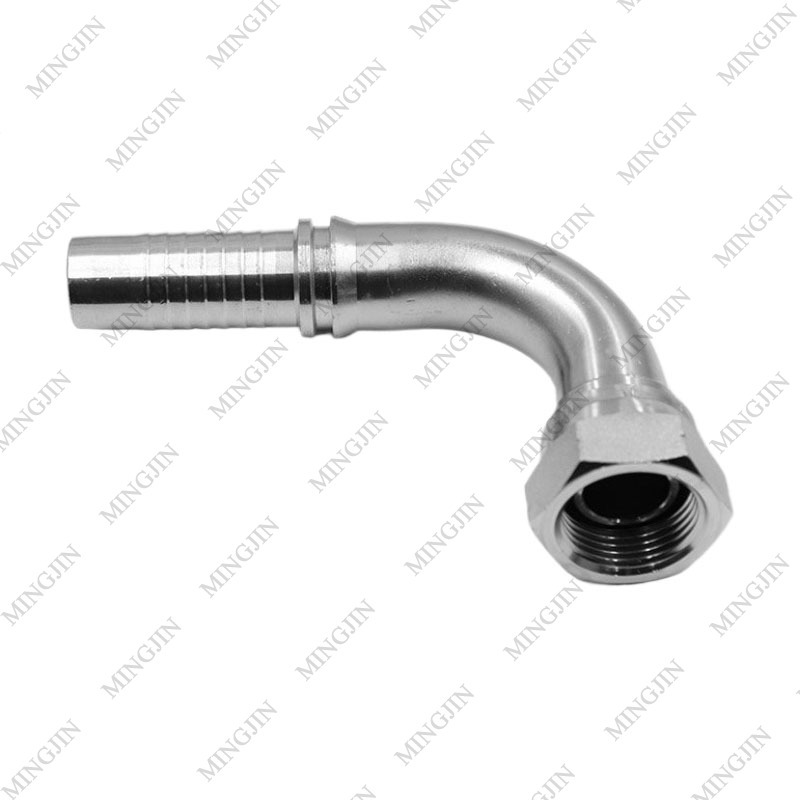
Hydraulic connectors are essential components in hydraulic systems, facilitating the transfer of hydraulic fluids between different parts of the system. Commonly used in various industrial applications, these connectors ensure efficient and reliable operation of hydraulic machinery. They come in various types including threaded, flanged, and quick-connect designs, each serving specific functions and applications. Understanding the different types and their applications is crucial for ensuring optimal performance and reliability.
Types of Hydraulic Connectors
1. **Threaded Connectors**: These connectors utilize a screw-thread mechanism to create a secure seal. They are commonly found in high-pressure systems.
2. **Flanged Connectors**: These are characterized by a flat surface that allows for bolting to another surface, providing a robust connection ideal for larger systems.
3. **Quick-Connect Connectors**: Designed for ease of use, these connectors allow for rapid connection and disconnection without the need for tools, making them ideal for mobile machinery.
The Importance of Proper Installation
Proper installation of hydraulic connectors is vital for several reasons. First and foremost, it directly impacts the efficiency and functionality of hydraulic systems. An incorrectly installed connector can lead to pressure drops, inefficient fluid flow, and increased wear on components.
Enhancing System Efficiency
Ensuring that hydraulic connectors are installed correctly optimizes fluid dynamics within the system. This leads to improved performance and reduced energy consumption, ultimately lowering operating costs.
Preventing Leaks and Failures
Leaks are one of the most common issues in hydraulic systems. Proper installation techniques significantly reduce the risk of leaks, which can lead to catastrophic failures and costly downtime. A small leak can escalate into a significant problem if not addressed timely.
Consequences of Poor Installation
When hydraulic connectors are improperly installed, several adverse outcomes can occur:
Increased Wear and Tear
Improper installation often results in misalignments, which can cause excessive wear on the connectors and adjoining components. This can lead to premature failure and the need for costly replacements.
System Inefficiency
A poorly installed connector can lead to turbulence and backflow within the hydraulic system, causing inefficiencies that can significantly impact overall performance.
Safety Risks
In addition to affecting performance, improper installation can create safety hazards. Hydraulic systems operate under high pressure, and failures can lead to sudden ruptures, posing risks to personnel and equipment.
Best Practices for Hydraulic Connector Installation
Adhering to best practices during the installation of hydraulic connectors is essential for ensuring optimal functionality.
Pre-Installation Inspection
Before installation, perform a thorough inspection of all connectors and associated components. Look for any signs of damage, wear, or contamination that could affect system performance.
Follow Manufacturer Guidelines
Always refer to the manufacturer's installation instructions and specifications. These guidelines provide valuable information regarding torque settings, alignment, and specific installation techniques.
Use Proper Torque Settings
Using the correct torque settings is vital for ensuring a secure connection. Over-tightening can lead to connector failure, while under-tightening can result in leaks.
Utilize Quality Sealing Products
When applicable, use high-quality seals and gaskets to ensure a leak-proof connection. These products are designed to withstand the pressures and conditions of hydraulic systems.
Tools and Equipment Required
Having the right tools for hydraulic connector installation is crucial. Here are some essential tools you should consider:
Torque Wrench
A torque wrench is essential for applying the correct amount of force when tightening connectors. This ensures that connections are secure without being over-tightened.
Pipe Cutters and Benders
For custom installations, pipe cutters and benders are necessary to achieve the proper fit and alignment of hydraulic lines.
Sealant and Thread Tape
High-quality sealants and thread tape can help create a leak-proof seal, enhancing the reliability of the installation.
Common Mistakes to Avoid During Installation
Avoiding mistakes during the installation of hydraulic connectors is critical for preventing future issues.
Neglecting Cleanliness
Contamination from dirt or debris can compromise the integrity of hydraulic connections. Always ensure that connection points are clean before installation.
Ignoring Specifications
Many installers overlook manufacturer specifications, leading to improper installation. Always consult the installation manual for the correct procedures.
Overlooking Torque Settings
Failing to apply the correct torque can result in leaks or connector damage. Always use a torque wrench to achieve the recommended settings.
Expert Tips for Successful Hydraulic Connector Installation
Following expert advice can enhance the success of your hydraulic connector installation.
Regular Training and Updates
Engage in regular training sessions for the installation team to ensure they are aware of the latest technologies and techniques in hydraulic systems.
Conduct Post-Installation Checks
After installation, conduct thorough checks of all connections. This includes pressure testing the system to identify any potential leaks before the system goes live.
Maintain a Schedule of Regular Inspections
Implement a regular inspection schedule to identify any issues early on. This proactive approach can prevent costly repairs and downtime in the future.
Conclusion
Proper installation of hydraulic connectors is not just a routine task; it is a critical component in maintaining the efficiency, safety, and longevity of hydraulic systems. By adhering to best practices, utilizing the right tools, and avoiding common mistakes, professionals can ensure that hydraulic systems operate at their best. The importance of correct installation cannot be overstated, as it directly influences system performance, reduces wear and tear, and enhances overall safety. Investing the time and effort to ensure proper installation will pay dividends in the long run, securing efficient and reliable hydraulic operations.
FAQs
1. What are hydraulic connectors used for?
Hydraulic connectors are used to join various components in hydraulic systems, allowing for the efficient transfer of hydraulic fluids.
2. What can happen if a hydraulic connector is installed incorrectly?
Improper installation can lead to leaks, increased wear on components, system inefficiencies, and safety hazards.
3. How often should hydraulic connectors be inspected?
It is recommended to conduct regular inspections, often as part of a scheduled maintenance program, to ensure optimal functionality.
4. What tools are essential for installing hydraulic connectors?
Essential tools include a torque wrench, pipe cutters, benders, sealants, and thread tape.
5. What are some best practices for installing hydraulic connectors?
Best practices include following manufacturer guidelines, performing pre-installation inspections, using proper torque settings, and ensuring cleanliness during installation.
Key words: