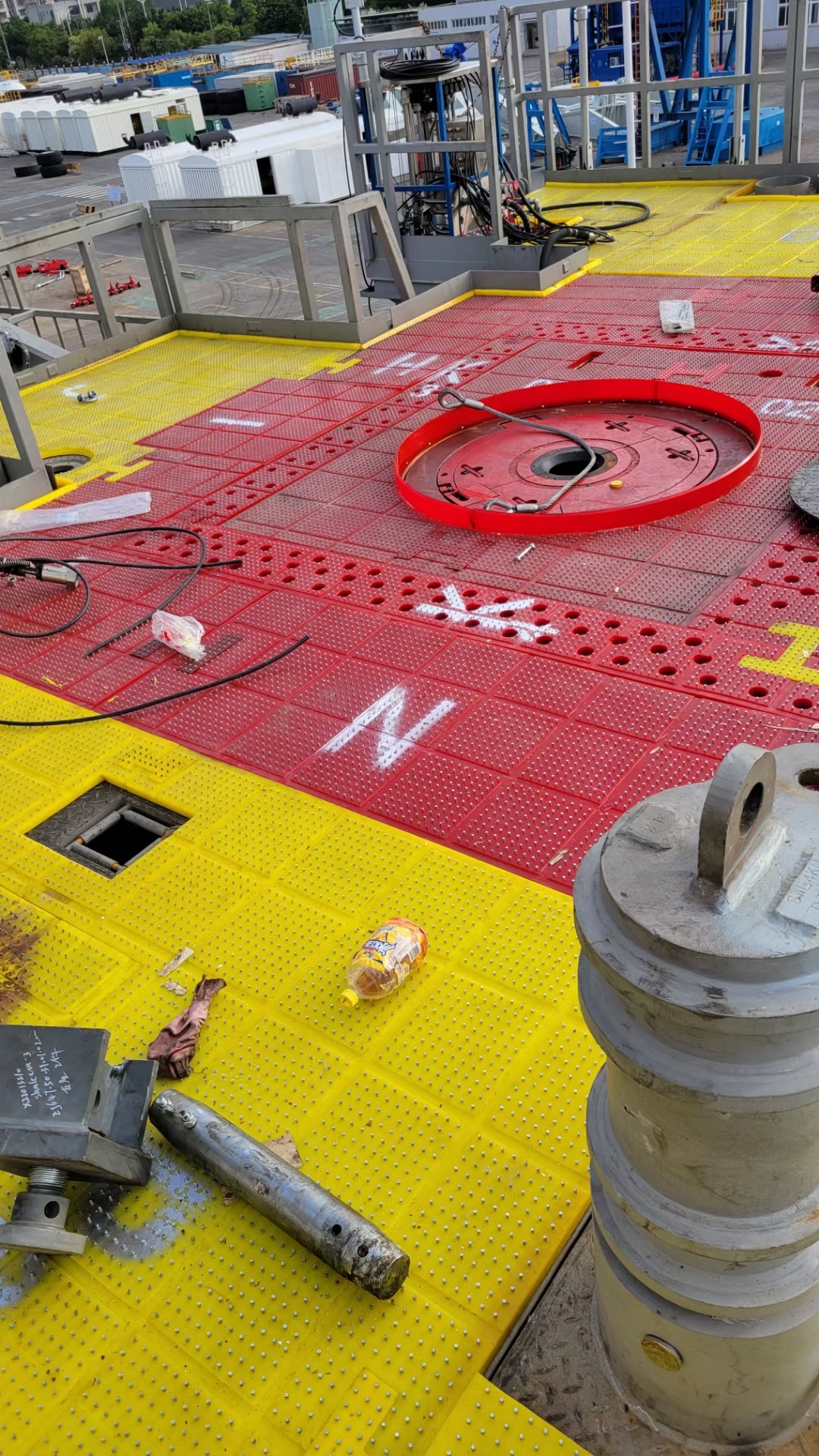
Enhancing Safety with Setback Area Anti-Slip Mats for Construction Sites
Nov 13,2026
--- In the construction industry, safety is paramount, and one effective solution to mitigate risks associated with slips, trips, and falls is the use of setback area anti-slip mats. These mats are specifically designed to provide traction and stability in areas where heavy machinery and personnel frequently traverse, especially during inclement weather or when materials are wet. Setback area anti

---
In the construction industry, safety is paramount, and one effective solution to mitigate risks associated with slips, trips, and falls is the use of setback area anti-slip mats. These mats are specifically designed to provide traction and stability in areas where heavy machinery and personnel frequently traverse, especially during inclement weather or when materials are wet.
Setback area anti-slip mats are manufactured from high-quality rubber materials, which offer durability and resilience against the harsh conditions often found at construction sites. The unique surface texture of these mats enhances grip, reducing the likelihood of accidents caused by slipping. This is particularly important in setback areas, which are defined as zones that require extra caution due to their proximity to hazards such as moving equipment, uneven terrain, or wet surfaces.
One of the key advantages of using setback area anti-slip mats is their versatility. They can be easily placed and repositioned as needed, allowing for flexible use depending on the changing conditions at the site. This adaptability is crucial for maintaining high safety standards, as construction sites are dynamic environments that require constant attention to risk management.
Moreover, using anti-slip mats can help in compliance with safety regulations and standards. Many regulatory bodies emphasize the importance of maintaining a safe work environment, and having these mats in place can be a proactive measure to demonstrate commitment to worker safety. Additionally, they can contribute to improving overall productivity by minimizing downtime related to accidents or injuries.
When selecting setback area anti-slip mats, it's essential to consider factors such as thickness, texture, and size. Thicker mats provide better cushioning and support, which is particularly beneficial for workers who spend long hours on their feet. Textured surfaces enhance grip, while the right dimensions ensure that the mats cover the appropriate areas without causing trip hazards.
Regular maintenance of these mats is also crucial to ensure they remain effective. This includes cleaning to remove debris that could compromise traction, as well as inspecting for wear and tear. By taking these steps, construction managers can extend the lifespan of the mats and maintain a safe working environment.
In conclusion, incorporating setback area anti-slip mats into construction sites is a strategic approach to enhancing safety and reducing the risk of injuries. Their robust, slip-resistant design makes them an indispensable tool for any construction project, thereby fostering a culture of safety and efficiency. By investing in these mats, construction professionals can create a safer work environment for everyone involved, ultimately leading to more successful project outcomes.
Key words:
PREVIOUS: