Best Practices for the Use of Food-Grade Flexible Rubber Hoses: Ensuring Safety and Quality in Food Processing
Nov 10,2026
Best Practices for the Use of Food-Grade Flexible Rubber Hoses Table of Contents 1. Introduction to Food-Grade Flexible Rubber Hoses 2. Importance of Using Food-Grade Materials 3. Selecting the Right Food-Grade Rubber Hose 3.1 Types of Food-Grade Rubber Hoses 3.2 Key Characteristics to Look For 4. Installation Best Practices 4.1 Proper Handling Techniques 4.2 Ensuring Secure Connections 5. Mainten
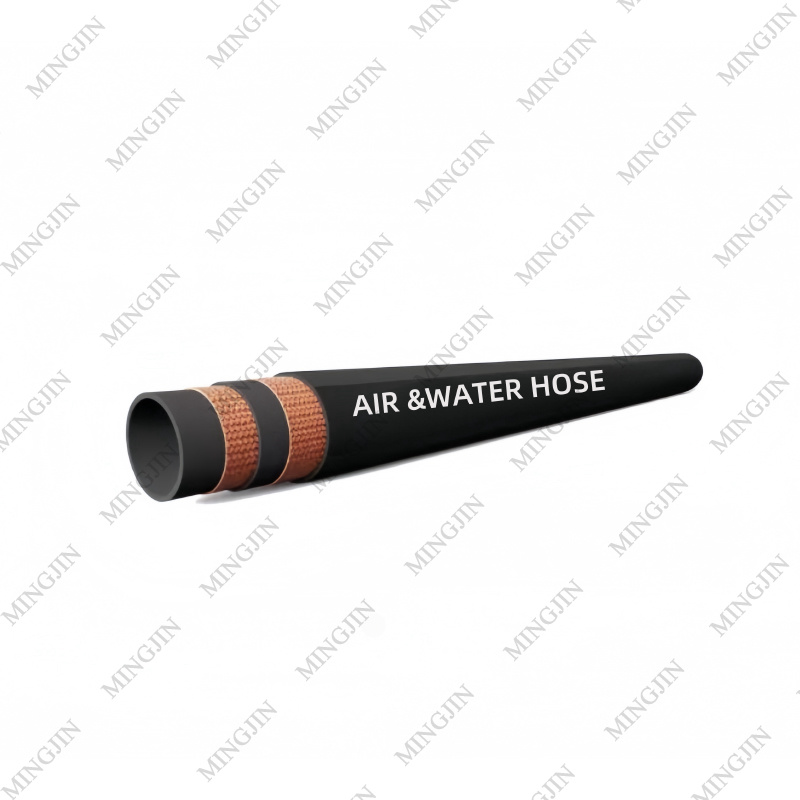
Best Practices for the Use of Food-Grade Flexible Rubber Hoses
Table of Contents
1. Introduction to Food-Grade Flexible Rubber Hoses
2. Importance of Using Food-Grade Materials
3. Selecting the Right Food-Grade Rubber Hose
3.1 Types of Food-Grade Rubber Hoses
3.2 Key Characteristics to Look For
4. Installation Best Practices
4.1 Proper Handling Techniques
4.2 Ensuring Secure Connections
5. Maintenance and Cleaning of Food-Grade Rubber Hoses
5.1 Regular Inspection Procedures
5.2 Cleaning Methods to Maintain Hygiene
6. Compliance with Food Safety Regulations
6.1 Understanding Relevant Standards
6.2 Documentation and Traceability
7. Common Issues and Troubleshooting
7.1 Signs of Wear and Damage
7.2 Solutions for Common Problems
8. Conclusion
9. Frequently Asked Questions (FAQs)
1. Introduction to Food-Grade Flexible Rubber Hoses
In the food processing industry, ensuring the safe transport of food products is paramount. **Food-grade flexible rubber hoses** have become essential tools for managing this delicate task. These hoses are designed specifically to transport food and beverages without contaminating them. This article discusses the best practices for utilizing these hoses effectively, ensuring safety, compliance, and quality in food handling processes.
2. Importance of Using Food-Grade Materials
The significance of using food-grade materials cannot be overstated. Non-compliant hoses can leach harmful chemicals into food products, posing health risks to consumers. Food-grade flexible rubber hoses are constructed from materials that meet stringent safety standards, ensuring that no harmful substances are released during use. This not only protects consumers but also enhances the reputation of food manufacturers.
3. Selecting the Right Food-Grade Rubber Hose
Choosing the correct type of rubber hose is critical in maintaining product quality and safety.
3.1 Types of Food-Grade Rubber Hoses
There are several types of food-grade rubber hoses available, including:
- **Nitrile Rubber Hoses:** Ideal for petroleum-based products.
- **EPDM Rubber Hoses:** Excellent for hot water and steam applications.
- **Silicone Rubber Hoses:** Best suited for high-temperature and low-pressure applications.
3.2 Key Characteristics to Look For
When selecting a food-grade rubber hose, consider the following characteristics:
- **Temperature Resistance:** Ensure the hose can withstand the required temperatures.
- **Chemical Compatibility:** Verify that the hose material is appropriate for the specific food or beverage.
- **Flexibility and Durability:** The hose should be pliable yet resilient to prevent kinks and damage.
4. Installation Best Practices
Proper installation of food-grade flexible rubber hoses is crucial to their performance and safety.
4.1 Proper Handling Techniques
When installing hoses, handle them with care to avoid damaging the material. Avoid dragging hoses across rough surfaces, which could cause abrasions.
4.2 Ensuring Secure Connections
Secure connections are vital to preventing leaks. Use appropriate fittings and clamps to ensure that hoses are tightly connected to equipment. Regularly check these connections for signs of wear.
5. Maintenance and Cleaning of Food-Grade Rubber Hoses
Regular maintenance is essential to extend the life of your food-grade hoses and maintain hygiene standards.
5.1 Regular Inspection Procedures
Conduct routine inspections to identify any signs of wear, damage, or contamination. Look for cracks, discoloration, or leaks, and replace hoses as necessary.
5.2 Cleaning Methods to Maintain Hygiene
Cleaning food-grade rubber hoses is imperative for preventing contamination. Use hot water and mild detergent for routine cleaning. For deeper sanitation, consider food-safe sanitizers that are compatible with rubber materials.
6. Compliance with Food Safety Regulations
Adhering to food safety regulations is non-negotiable in the food processing industry.
6.1 Understanding Relevant Standards
Familiarize yourself with standards set by organizations such as the FDA, USDA, and NSF. These standards dictate the materials and processes required for food safety.
6.2 Documentation and Traceability
Maintain thorough documentation of your hoses' specifications, purchase orders, and maintenance logs. This traceability is crucial in the event of a safety audit or recall.
7. Common Issues and Troubleshooting
Identifying and addressing common issues can help maintain the functionality and safety of food-grade flexible rubber hoses.
7.1 Signs of Wear and Damage
Look out for:
- Cracks or splits in the hose.
- Hardening or brittleness of the material.
- Discoloration or unusual odors.
7.2 Solutions for Common Problems
If any issues arise, replace damaged hoses immediately. For minor issues, such as leaks at fittings, tightening or resealing connections can sometimes resolve the problem.
8. Conclusion
In conclusion, the use of food-grade flexible rubber hoses is critical for ensuring food safety and quality in the processing industry. By adhering to best practices in selection, installation, maintenance, and compliance, we can significantly reduce the risk of contamination and ensure the integrity of food products. Proper knowledge and application of these practices will not only enhance our operational efficiency but also uphold the trust of consumers in the safety of their food.
9. Frequently Asked Questions (FAQs)
1. What are food-grade flexible rubber hoses made of?
Food-grade flexible rubber hoses are typically made from materials like nitrile, EPDM, and silicone, which are compliant with food safety standards.
2. How often should food-grade hoses be inspected?
It is recommended to inspect food-grade hoses regularly, at least every six months or more frequently if they are in heavy use.
3. Can food-grade hoses be used for hot liquids?
Yes, many food-grade hoses are designed to handle hot liquids, but it is essential to choose a hose specifically rated for high temperatures.
4. What cleaning agents are safe for food-grade hoses?
Mild detergents and food-safe sanitizers are generally safe for cleaning food-grade hoses. Always check compatibility with the hose material.
5. What should I do if I notice a leak in my food-grade hose?
If you notice a leak, immediately stop using the hose and inspect it for damage. Replace the hose if any significant wear or tear is present.
Key words:
PREVIOUS: