Understanding BSP Female Straight Fittings for Pipeline Applications
Oct 22,2026
In the realm of pipeline systems, particularly within the chemical and rubber industries, BSP female straight fittings play a crucial role in connecting pipes and ensuring the seamless flow of fluids. BSP, or British Standard Pipe, refers to a system of screw threads used to create a reliable mechanical connection. The female straight fitting is designed to accept a male threaded pipe or fitting,
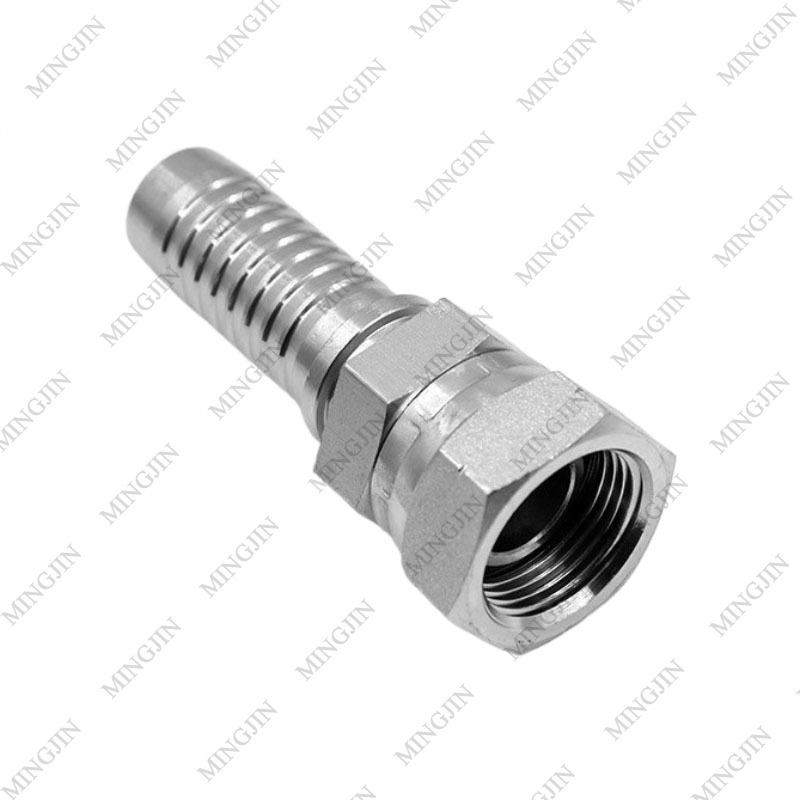
In the realm of pipeline systems, particularly within the chemical and rubber industries, BSP female straight fittings play a crucial role in connecting pipes and ensuring the seamless flow of fluids. BSP, or British Standard Pipe, refers to a system of screw threads used to create a reliable mechanical connection. The female straight fitting is designed to accept a male threaded pipe or fitting, providing a secure and leak-proof junction.
One of the primary advantages of using BSP female straight fittings is their versatility. They come in various sizes, allowing for compatibility with different pipeline dimensions. This adaptability makes them an ideal choice for a wide range of applications, from fluid transfer in processing plants to the transportation of chemicals in various industrial settings. Furthermore, the straight design of these fittings facilitates easy installation and maintenance, minimizing downtime in operations.
Another important aspect of BSP female straight fittings is their material composition. Depending on the specific application, these fittings can be manufactured from various materials, including brass, stainless steel, and plastic. Each material offers unique benefits, such as corrosion resistance, durability, and cost-effectiveness. For instance, stainless steel fittings are often preferred in environments where chemical exposure is a concern, whereas plastic fittings may be more suitable for lighter applications.
In addition to their structural integrity and adaptability, BSP female straight fittings are designed to meet industry standards. Ensuring compliance with relevant regulations is essential for maintaining safety and reliability in any pipeline system. By selecting fittings that adhere to established standards, professionals can mitigate risks associated with leaks or failures, thereby safeguarding both personnel and equipment.
When selecting BSP female straight fittings for your pipeline systems, it is crucial to consider factors such as operating pressure, temperature, and the nature of the fluid being transported. Understanding these variables will help you choose the right fittings that can withstand the specific conditions of your operation. Additionally, consulting with industry experts or suppliers can provide valuable guidance in selecting the most appropriate fittings for your needs.
In conclusion, BSP female straight fittings are integral components in the construction and maintenance of pipeline systems within the chemical and rubber industries. Their versatility, range of materials, and adherence to industry standards make them an excellent choice for ensuring efficient and safe fluid transfer. By understanding the key features and applications of these fittings, professionals can make informed decisions that enhance their operational efficiency and safety.
Key words:
PREVIOUS: