Understanding Food-Grade Flexible Rubber Hoses: Essential Insights for the Chemical Industry
Oct 02,2026
Food-grade flexible rubber hoses are crucial components in various industries, particularly in the chemical sector, where safety, quality, and compliance with health regulations are paramount. These hoses are designed specifically to transport food products and other materials that may come into direct contact with consumables. It is essential to distinguish these hoses from standard rubber hoses,
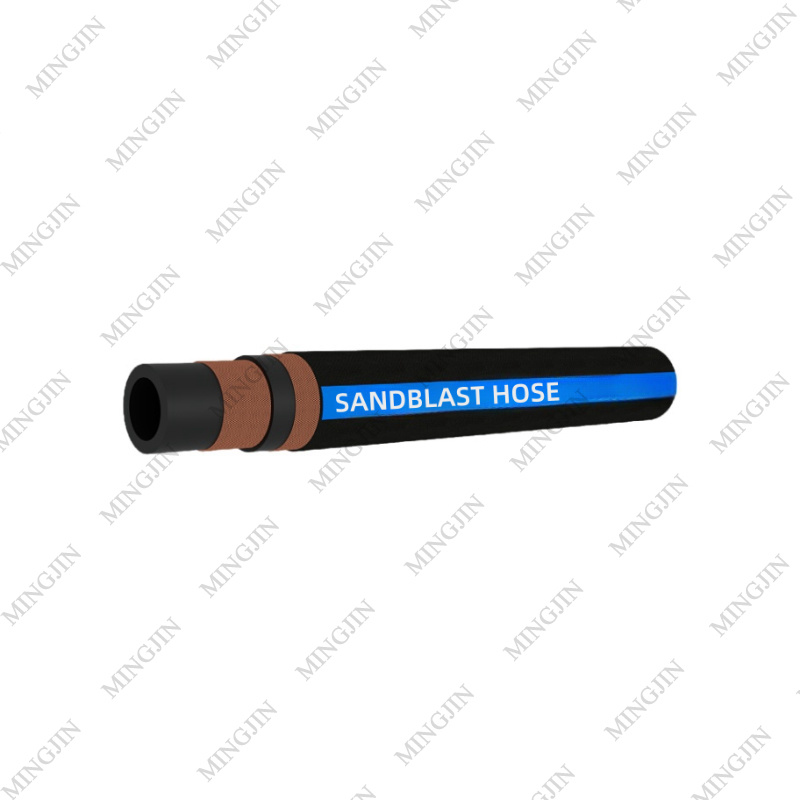
Food-grade flexible rubber hoses are crucial components in various industries, particularly in the chemical sector, where safety, quality, and compliance with health regulations are paramount. These hoses are designed specifically to transport food products and other materials that may come into direct contact with consumables. It is essential to distinguish these hoses from standard rubber hoses, as food-grade hoses adhere to stringent safety standards that prevent contamination and ensure product integrity.
One of the primary benefits of food-grade flexible rubber hoses is their ability to maintain the purity of the fluids they transport. These hoses are manufactured using materials that are non-toxic and free from harmful chemicals, making them suitable for food and beverage applications. Moreover, the flexibility of these hoses allows for easy installation and maneuverability, which is beneficial in environments where space is limited or where complex routing is required.
Another important aspect to consider is the temperature resistance of food-grade flexible rubber hoses. These hoses can withstand a wide range of temperatures, enabling them to transport hot or cold liquids without compromising their integrity. This feature is particularly advantageous in the chemical industry, where different processes may involve extreme temperatures.
Durability is another significant factor that makes food-grade flexible rubber hoses a preferred choice. They are designed to withstand repeated flexing and bending, reducing the likelihood of wear and tear. This resilience translates to a longer service life, ultimately saving businesses time and money on replacements and repairs.
In addition, food-grade flexible rubber hoses are often resistant to various chemicals, oils, and other substances that may be present in industrial environments. This chemical resistance is essential in maintaining the functionality of the hoses and ensuring they do not degrade when exposed to potentially harmful substances.
When selecting food-grade flexible rubber hoses, it is crucial to consider the specific application and ensure that the hoses meet all relevant safety and quality standards. Factors such as the type of fluid being transported, temperature, and environmental conditions should all influence the choice of hose material and design.
In conclusion, food-grade flexible rubber hoses play an indispensable role in the chemical industry, offering safety, flexibility, and durability. Understanding their properties and applications can help businesses make informed decisions, ensuring compliance with health regulations while maintaining operational efficiency.
One of the primary benefits of food-grade flexible rubber hoses is their ability to maintain the purity of the fluids they transport. These hoses are manufactured using materials that are non-toxic and free from harmful chemicals, making them suitable for food and beverage applications. Moreover, the flexibility of these hoses allows for easy installation and maneuverability, which is beneficial in environments where space is limited or where complex routing is required.
Another important aspect to consider is the temperature resistance of food-grade flexible rubber hoses. These hoses can withstand a wide range of temperatures, enabling them to transport hot or cold liquids without compromising their integrity. This feature is particularly advantageous in the chemical industry, where different processes may involve extreme temperatures.
Durability is another significant factor that makes food-grade flexible rubber hoses a preferred choice. They are designed to withstand repeated flexing and bending, reducing the likelihood of wear and tear. This resilience translates to a longer service life, ultimately saving businesses time and money on replacements and repairs.
In addition, food-grade flexible rubber hoses are often resistant to various chemicals, oils, and other substances that may be present in industrial environments. This chemical resistance is essential in maintaining the functionality of the hoses and ensuring they do not degrade when exposed to potentially harmful substances.
When selecting food-grade flexible rubber hoses, it is crucial to consider the specific application and ensure that the hoses meet all relevant safety and quality standards. Factors such as the type of fluid being transported, temperature, and environmental conditions should all influence the choice of hose material and design.
In conclusion, food-grade flexible rubber hoses play an indispensable role in the chemical industry, offering safety, flexibility, and durability. Understanding their properties and applications can help businesses make informed decisions, ensuring compliance with health regulations while maintaining operational efficiency.
Key words:
PREVIOUS: