Why Rig Anti Slip Safety Floor Mats Are Essential for Chemical Plants
Sep 23,2026
Why Rig Anti Slip Safety Floor Mats Are Essential for Chemical Plants Introduction to Safety in Chemical Plants In the high-stakes environment of chemical plants, safety is paramount. The handling of hazardous materials poses significant risks, making it essential to establish robust safety measures. **Anti-slip safety floor mats** play a pivotal role in creating a secure workspace, effectively re

Why Rig Anti Slip Safety Floor Mats Are Essential for Chemical Plants
Introduction to Safety in Chemical Plants
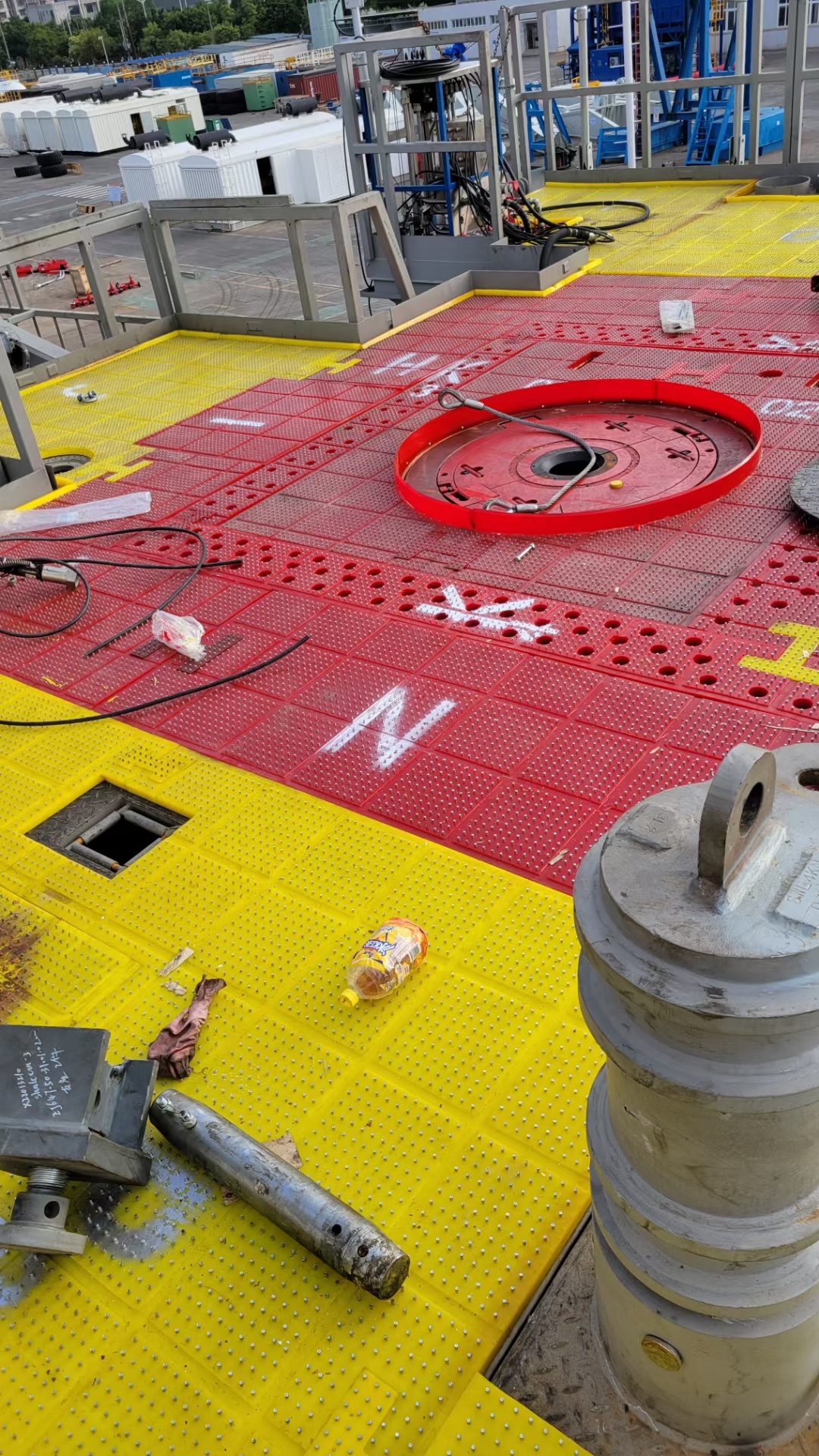
In the high-stakes environment of chemical plants, safety is paramount. The handling of hazardous materials poses significant risks, making it essential to establish robust safety measures. **Anti-slip safety floor mats** play a pivotal role in creating a secure workspace, effectively reducing slip and fall accidents. In this article, we will explore the critical reasons why these mats are indispensable in chemical facilities.
Understanding the Risks in Chemical Plants
Chemical plants operate under conditions that can often lead to accidents. Wet surfaces, spilled chemicals, and heavy machinery contribute to a hazardous environment. According to the Occupational Safety and Health Administration (OSHA), slips, trips, and falls are among the leading causes of workplace injuries. With a focus on safety, implementing anti-slip mats can significantly mitigate these risks.
The Impact of Slips and Falls
Slips and falls can result in severe injuries, including fractures, sprains, and even fatalities. The consequences extend beyond physical harm; they also lead to increased insurance costs, decreased productivity, and a tarnished company reputation. Understanding these implications underscores the necessity of anti-slip safety mats in chemical plants.
Benefits of Anti Slip Safety Floor Mats
The advantages of incorporating anti-slip mats in chemical plants are extensive and multifaceted. Below, we delve into the key benefits that these mats provide.
1. Enhanced Employee Safety
The primary purpose of anti-slip mats is to enhance safety. These mats feature a textured surface that provides superior traction, reducing the likelihood of slips and falls. By minimizing these incidents, employers create a safer work environment, boosting employee confidence and morale.
2. Protection Against Chemical Spills
In chemical plants, spills are a common occurrence. Anti-slip mats are designed to absorb liquids and prevent them from spreading. This feature not only reduces the risk of falls but also aids in maintaining a clean and organized workspace.
3. Compliance with Safety Regulations
Adhering to safety regulations is crucial in any industrial setting. Anti-slip mats can assist chemical plants in meeting OSHA standards and other regulatory requirements, thereby avoiding potential fines and legal issues. This compliance fosters a culture of safety that resonates throughout the organization.
4. Improved Productivity
A safe environment leads to improved productivity. When employees feel secure, they can focus on their tasks without the distraction of safety concerns. This increased focus can enhance overall operational efficiency, benefiting the organization in the long run.
5. Cost-Effective Safety Solution
Investing in anti-slip mats is a cost-effective way to improve safety. The costs associated with workplace injuries can be substantial, including medical expenses, legal fees, and lost productivity. By implementing anti-slip mats, companies can significantly reduce these costs.
Choosing the Right Anti Slip Safety Floor Mats
With various options available, selecting the right anti-slip mats for a chemical plant requires careful consideration.
1. Material Selection
The material of the mat is vital for ensuring durability and effectiveness. Options include rubber, vinyl, and carpet, each offering different levels of slip resistance and chemical resistance. For chemical plants, rubber mats are often preferred due to their resilience against harsh substances.
2. Thickness and Density
The thickness and density of the mat affect its slip resistance and durability. Thicker mats typically provide better cushioning and support, while denser mats resist wear and tear from heavy machinery and foot traffic.
3. Texture and Design
The texture of the mat plays a critical role in its anti-slip capabilities. A raised or textured surface can significantly enhance traction. Additionally, choosing mats with beveled edges can prevent tripping hazards, further ensuring safety.
4. Ease of Maintenance
In chemical plants, cleanliness is paramount. Choose mats that are easy to clean and maintain. Mats that can be washed or rinsed are ideal, as they can quickly return to full functionality after spills.
Installation of Anti Slip Safety Floor Mats
Proper installation of anti-slip mats is essential for maximizing their effectiveness.
1. Surface Preparation
Before installation, ensure that the surface is clean and dry. Remove any debris, oil, or chemicals that could interfere with the mat's adhesion.
2. Positioning the Mats
Place the mats in high-traffic areas, particularly near entrances, exits, and workstations where spills are likely to occur. Proper placement can significantly enhance safety throughout the facility.
3. Securing the Mats
Depending on the mat's design, securing it in place may be necessary. Use adhesive backing or double-sided tape to prevent shifting, ensuring the mats remain in position, even under heavy use.
Maintenance and Care for Anti Slip Safety Floor Mats
To ensure the longevity and effectiveness of anti-slip mats, regular maintenance is crucial.
1. Routine Cleaning
Establish a cleaning schedule to keep mats free of debris and spills. Depending on usage, mats may need to be cleaned daily or weekly. Use appropriate cleaning agents that do not compromise the mat's integrity.
2. Regular Inspections
Conduct regular inspections of the mats to check for signs of wear and tear. Look for frayed edges, cracks, or other damages that may reduce effectiveness. Replace mats as needed to maintain safety.
3. Seasonal Considerations
Be mindful of seasonal changes that may affect slip risks. For instance, wet conditions during rainy seasons may increase the need for effective mats. Adjust your mat placement and maintenance routine accordingly.
Real-World Applications of Anti Slip Safety Floor Mats
Various chemical plants have successfully implemented anti-slip mats, reaping the benefits of enhanced safety and productivity.
1. Case Study: A Chemical Manufacturing Facility
In a chemical manufacturing facility, the introduction of anti-slip mats led to a 30% reduction in slip and fall incidents. Employees reported feeling safer, and productivity levels increased due to fewer injuries and disruptions.
2. Case Study: A Pharmaceutical Plant
A pharmaceutical plant experienced frequent spills due to the nature of its operations. By replacing traditional flooring with anti-slip mats, the facility not only improved safety but also streamlined its cleaning processes, leading to a more efficient operation.
Frequently Asked Questions
1. What are anti-slip safety floor mats made of?
Anti-slip safety floor mats are typically made from materials like rubber, vinyl, or carpet, each offering varying degrees of slip resistance and durability.
2. How do I choose the right anti-slip mat for my chemical plant?
Consider factors such as material, thickness, texture, and ease of maintenance. It's essential to select mats that can withstand the specific challenges of your chemical plant.
3. How often should anti-slip mats be cleaned?
Routine cleaning is recommended, which may vary from daily to weekly, depending on traffic and spill frequency.
4. Can anti-slip mats be used outdoors?
While many anti-slip mats are designed for indoor use, some are suitable for outdoor environments. Ensure the mats you choose are rated for outdoor conditions if needed.
5. What are the costs associated with anti-slip safety mats?
Costs can vary based on material, size, and brand. However, they are considered a cost-effective safety solution compared to the potential expenses associated with workplace injuries.
Conclusion
In conclusion, **anti-slip safety floor mats** are not just an accessory but a fundamental component of workplace safety in chemical plants. Their role in preventing slips and falls cannot be overstated, especially in environments where hazardous materials are present. By investing in high-quality mats and maintaining them effectively, chemical plants can significantly enhance employee safety, ensure compliance with regulations, and improve overall productivity. The implementation of these mats is a proactive step toward fostering a culture of safety and responsibility in the chemical industry.
Key words:
PREVIOUS: