Essential Guide to Setback Area Anti-Slip Mats for Construction Safety
Sep 07,2026
Essential Guide to Setback Area Anti-Slip Mats for Construction Safety Table of Contents 1. Introduction to Setback Area Anti-Slip Mats 2. Importance of Safety in Construction Sites 3. What are Setback Area Anti-Slip Mats? 3.1 Materials Used in Anti-Slip Mats 3.2 Types of Anti-Slip Mats 4. Benefits of Using Anti-Slip Mats in Construction 4.1 Enhanced Traction and Safety 4.2 Reduced Slip and Fall A
Essential Guide to Setback Area Anti-Slip Mats for Construction Safety
Table of Contents
1. Introduction to Setback Area Anti-Slip Mats
2. Importance of Safety in Construction Sites
3. What are Setback Area Anti-Slip Mats?
3.1 Materials Used in Anti-Slip Mats
3.2 Types of Anti-Slip Mats
4. Benefits of Using Anti-Slip Mats in Construction
4.1 Enhanced Traction and Safety
4.2 Reduced Slip and Fall Accidents
4.3 Cost-Effectiveness and Durability
5. How to Choose the Right Anti-Slip Mat
5.1 Evaluating Site Conditions
5.2 Assessing Mat Specifications
6. Installation Guide for Anti-Slip Mats
7. Maintenance Tips for Longevity
8. Frequently Asked Questions (FAQs)
9. Conclusion
1. Introduction to Setback Area Anti-Slip Mats
In the bustling environment of a construction site, safety is paramount. Workers navigate challenging terrains, often faced with uneven surfaces, debris, and weather-related hazards. In this environment, **setback area anti-slip mats** emerge as crucial elements for ensuring safety. Their primary function is to provide traction, minimizing the risk of slips and falls. This guide delves into the various aspects of these essential mats, examining their types, benefits, and best practices for installation and maintenance.
2. Importance of Safety in Construction Sites
The construction industry is notorious for its high accident rates. According to the Occupational Safety and Health Administration (OSHA), falls are one of the leading causes of serious work-related injuries and deaths. Addressing safety concerns requires comprehensive strategies, including the use of protective gear, training, and innovative safety products like anti-slip mats. By implementing these mats, companies not only comply with safety regulations but also foster a productive environment where workers can focus on their tasks without the constant fear of injury.
3. What are Setback Area Anti-Slip Mats?
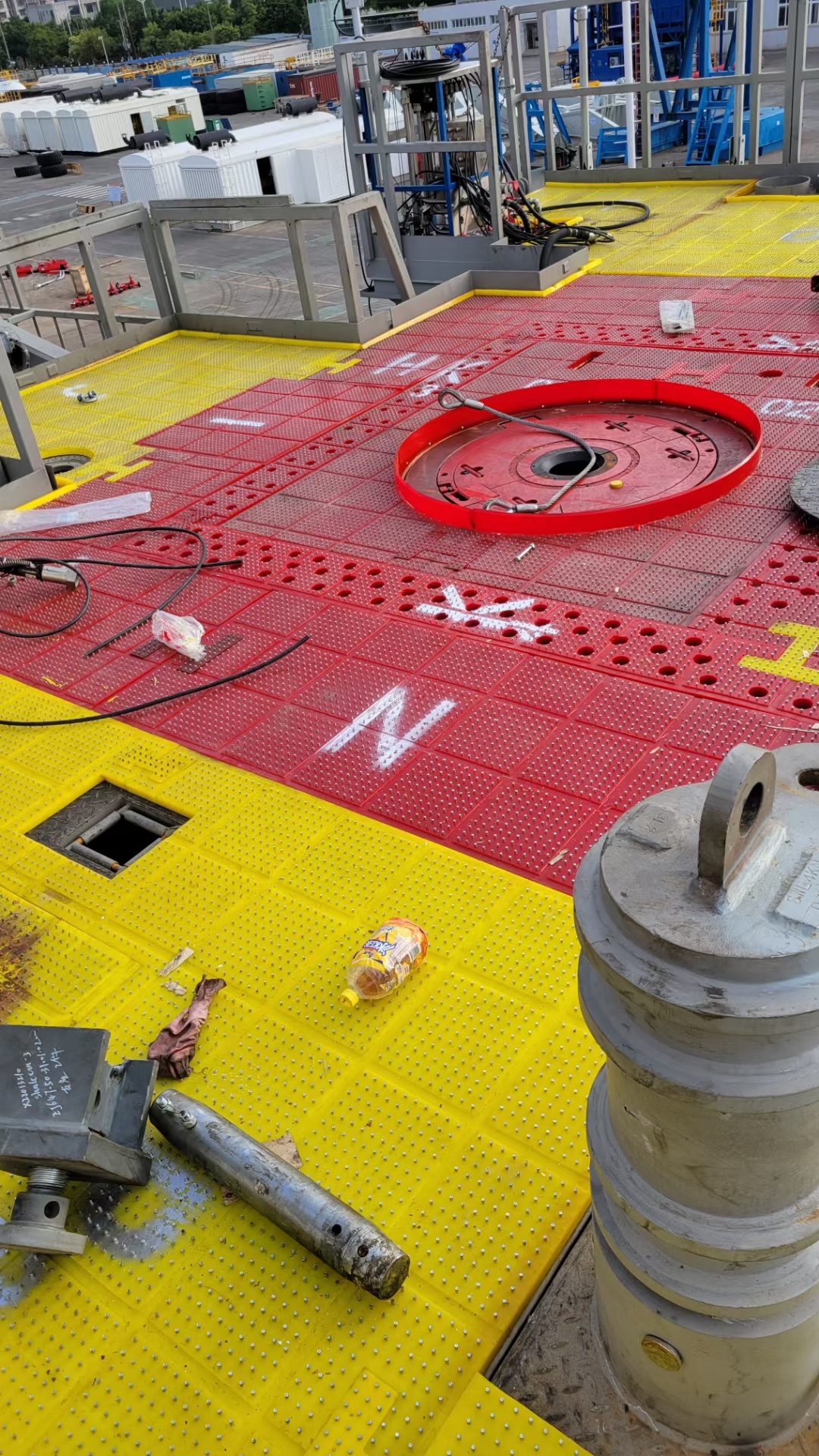
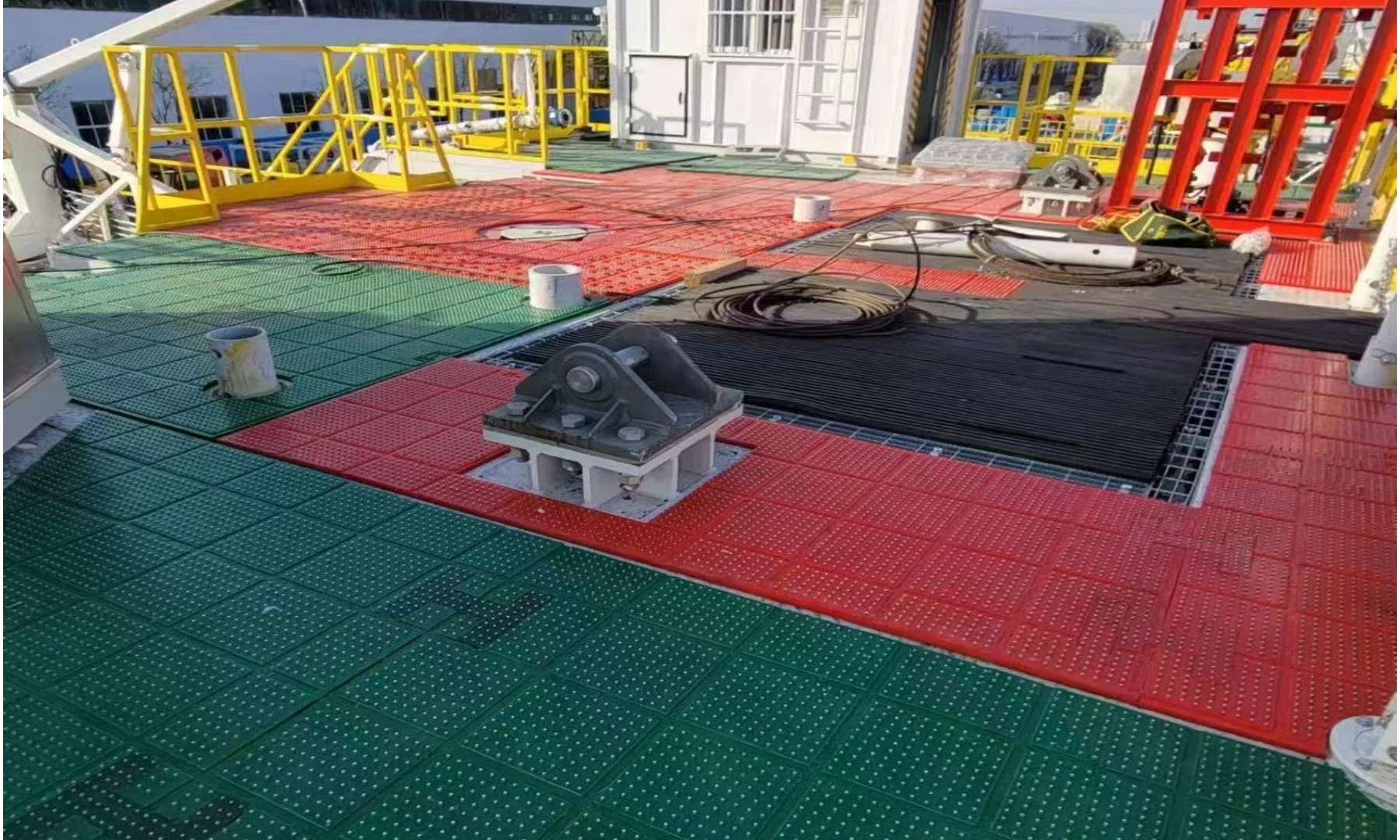
Setback area anti-slip mats are designed specifically for high-traffic and hazardous areas in construction sites. They are often placed near entrances, exits, or any location where slipping could be an issue due to moisture, oil, or debris.
3.1 Materials Used in Anti-Slip Mats
Understanding the materials used in anti-slip mats is crucial for selecting the right product for your construction site. Common materials include:
- **Rubber:** Known for its excellent traction properties and durability.
- **PVC:** Lightweight and often used for temporary setups.
- **Polyurethane:** Resistant to various chemicals, making it ideal for industrial settings.
Each material has unique benefits, so identifying the specific requirements of your site will aid in making an informed decision.
3.2 Types of Anti-Slip Mats
There are several types of anti-slip mats available, each serving different purposes:
- **Heavy-Duty Mats:** Suitable for high-traffic areas with heavy machinery.
- **Portable Mats:** Lightweight and easy to move, often used for temporary setups.
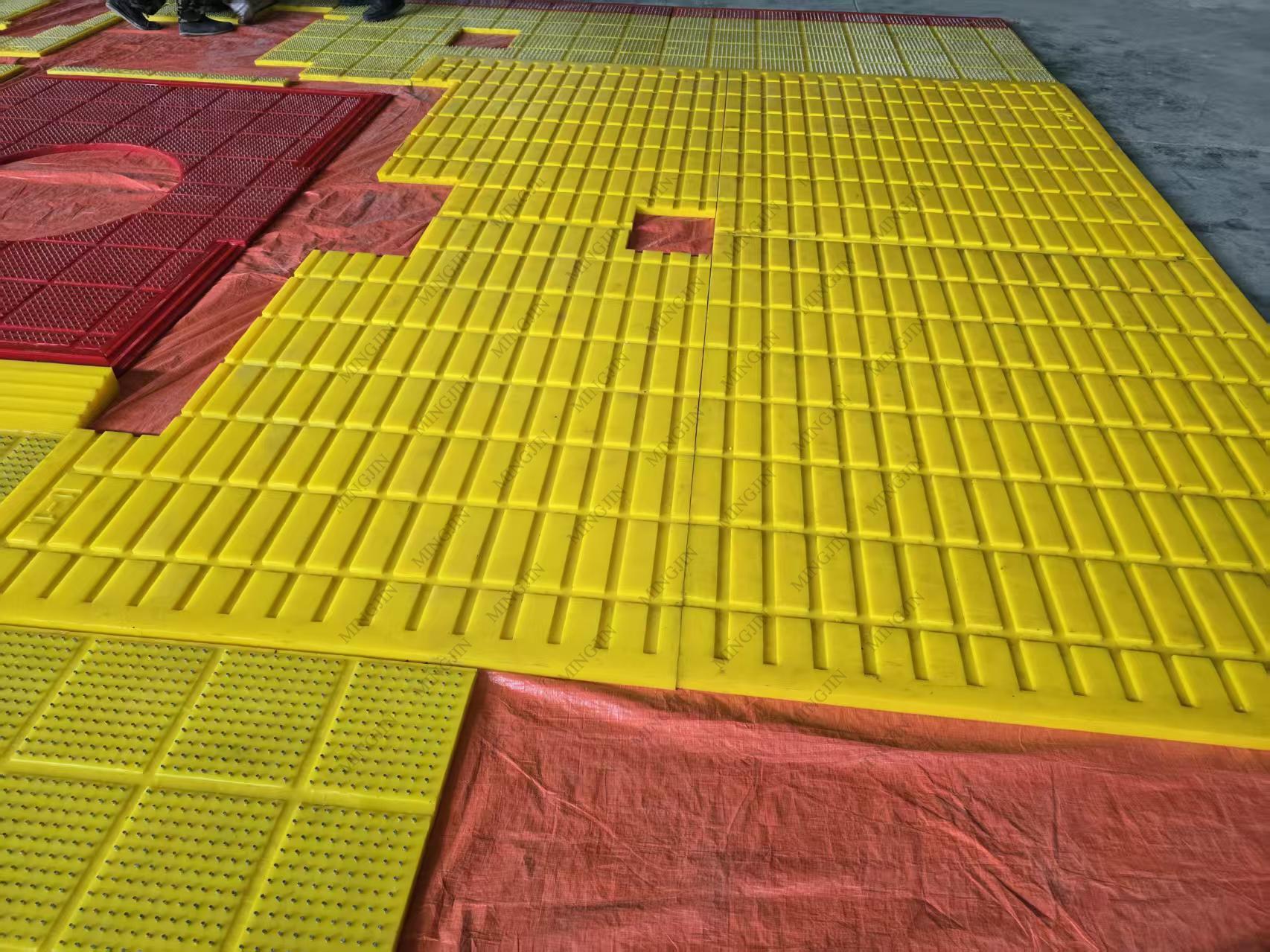
- **Custom-Fitted Mats:** Designed to fit specific areas, maximizing coverage and safety.
Selecting the appropriate type based on site conditions and usage frequency is essential for optimal performance.
4. Benefits of Using Anti-Slip Mats in Construction
The advantages of implementing anti-slip mats in construction environments are numerous and impactful.
4.1 Enhanced Traction and Safety
One of the most significant benefits is the enhancement of traction. Anti-slip mats are designed with textured surfaces that increase friction, preventing slips even in wet or oily conditions. This feature is critical for construction sites where such hazards are prevalent.
4.2 Reduced Slip and Fall Accidents
According to statistics, workplaces with anti-slip solutions experience fewer incidents of slip and fall accidents. By investing in these mats, construction companies can significantly reduce the likelihood of injuries, leading to a safer work environment and potentially lowering insurance costs.
4.3 Cost-Effectiveness and Durability
While the initial investment in anti-slip mats may seem significant, their durability and longevity contribute to long-term savings. High-quality mats can withstand the harsh conditions of construction sites, reducing the need for frequent replacements.
5. How to Choose the Right Anti-Slip Mat
Selecting the right anti-slip mat requires careful consideration of several factors.
5.1 Evaluating Site Conditions
Before making a purchase, assess the specific conditions of your construction site. Consider factors such as the type of surface, the likelihood of moisture exposure, and the frequency of foot traffic. This evaluation will help narrow down the suitable mat options.
5.2 Assessing Mat Specifications
Each anti-slip mat comes with specifications regarding thickness, weight capacity, and slip resistance ratings. Familiarizing yourself with these details can guide you in choosing a mat that meets the unique demands of your site.
6. Installation Guide for Anti-Slip Mats
Proper installation is critical to ensuring the effectiveness of anti-slip mats. Follow these steps for optimal results:
1. **Prepare the Surface:** Ensure the area where the mat will be placed is clean and free of debris. This enhances adhesion and performance.
2. **Lay the Mat:** Position the mat in the desired location, ensuring it is flat and free of wrinkles.
3. **Secure the Edges:** Depending on the mat type, use adhesive or double-sided tape to secure the edges, preventing movement during use.
4. **Regular Inspections:** Routinely check the mat for wear and tear to ensure it remains effective.
7. Maintenance Tips for Longevity
To maximize the lifespan of your anti-slip mats, follow these maintenance tips:
- **Regular Cleaning:** Keep the mats clean by sweeping or using a mild detergent and water. This prevents the buildup of grime that can reduce traction.
- **Inspect for Damage:** Regularly check for any signs of wear, such as tears or fraying edges, and replace mats as necessary.
- **Store Properly:** If mats are used temporarily, store them in a dry, clean location when not in use to prevent damage.
8. Frequently Asked Questions (FAQs)
Q1: How do anti-slip mats work?
A1: Anti-slip mats work by providing a textured surface that increases friction, helping prevent slips and falls.
Q2: Can anti-slip mats be used outdoors?
A2: Yes, many anti-slip mats are designed for outdoor use and are made from materials that can withstand weather conditions.
Q3: How often should anti-slip mats be replaced?
A3: The lifespan of anti-slip mats depends on usage and care; however, they should be inspected regularly for signs of wear.
Q4: Are there specific regulations regarding anti-slip mats in construction?
A4: Yes, OSHA and other organizations provide guidelines for workplace safety, which include recommendations for slip-resistant surfaces.
Q5: Can anti-slip mats be customized for specific areas?
A5: Yes, many manufacturers offer custom-sized mats to fit specific areas, enhancing safety and coverage.
9. Conclusion
In conclusion, **setback area anti-slip mats** play a vital role in promoting safety on construction sites. By understanding their types, benefits, and maintenance requirements, construction companies can make informed decisions that enhance worker safety and reduce accident rates. Investing in quality anti-slip mats not only complies with safety standards but also fosters a work environment where productivity can thrive without the constant concern of slips and falls. Prioritizing safety with these mats is a proactive step towards a better, accident-free workplace.
Key words: