Understanding the Lifespan of Food-Grade Flexible Rubber Hoses: Ensuring Safety and Efficiency in Food Processing
Aug 28,2026
Understanding the Lifespan of Food-Grade Flexible Rubber Hoses Food-grade flexible rubber hoses play a crucial role in various sectors, particularly in food processing and handling industries. These hoses are designed to deliver liquids and gases safely, ensuring that food products remain uncontaminated throughout their journey from production to consumption. Understanding the lifespan of these ho
Understanding the Lifespan of Food-Grade Flexible Rubber Hoses
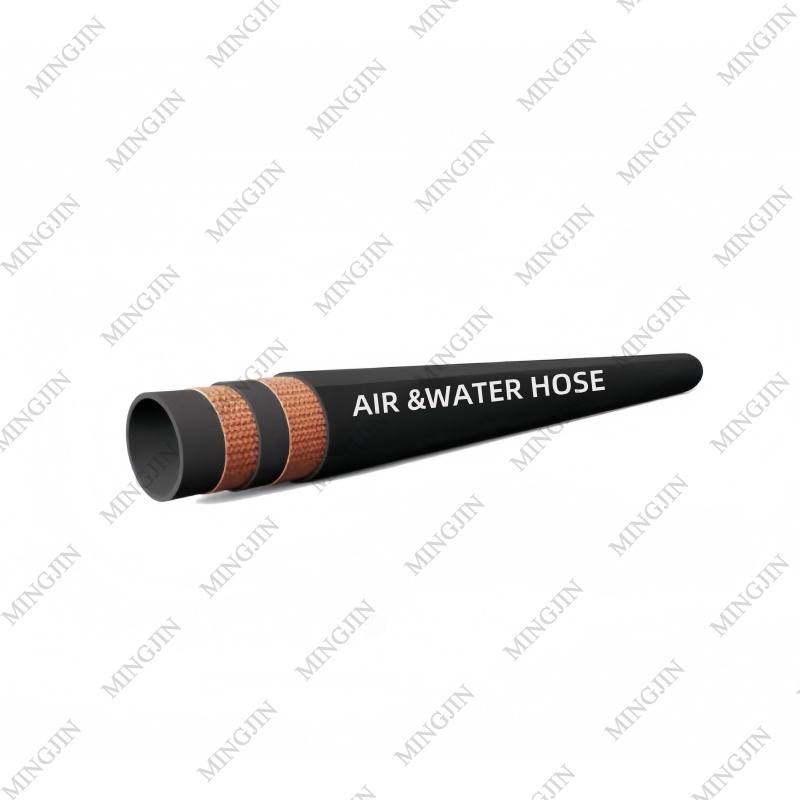
Food-grade flexible rubber hoses play a crucial role in various sectors, particularly in food processing and handling industries. These hoses are designed to deliver liquids and gases safely, ensuring that food products remain uncontaminated throughout their journey from production to consumption. Understanding the lifespan of these hoses is fundamental for businesses aiming to maintain safety standards and operational efficiency.
The Importance of Food-Grade Flexible Rubber Hoses
Food-grade flexible rubber hoses are engineered to meet stringent safety regulations, enabling them to transport food products without leaching harmful chemicals. The quality of these hoses influences not only the safety of the food but also the efficiency of processing operations. Choosing the right hoses, maintaining them properly, and understanding their lifespan are pivotal for any food business.
What Are Food-Grade Flexible Rubber Hoses?
Food-grade flexible rubber hoses are specifically manufactured for the transportation of food products. These hoses must comply with food safety regulations, ensuring that they do not impart any harmful substances into the food. Typically made from materials such as EPDM, silicone, or other synthetic rubbers, these hoses are designed to withstand high temperatures and pressures.
Key Features of Food-Grade Rubber Hoses
1. **Material Safety:** Food-grade hoses are made from FDA-approved materials that do not pose risks of contamination.
2. **Temperature Resistance:** They can handle a range of temperatures, making them suitable for various food processing applications.
3. **Flexibility and Durability:** These hoses are designed to be flexible yet durable, allowing for easy handling without compromising performance.
4. **Resistance to Chemicals:** They are resistant to various cleaning agents and chemicals used in food processing environments.
Factors Affecting the Lifespan of Food-Grade Flexible Rubber Hoses
Understanding the factors that influence the lifespan of food-grade hoses is essential for maximizing their utility and safety. Several elements can significantly affect their durability and effectiveness.
1. Material Composition
The composition of the rubber used in manufacturing the hoses significantly impacts their lifespan. High-quality materials like silicone or EPDM offer superior resistance to wear and tear compared to lower-grade options. Ensuring that the hoses meet industry standards is crucial for long-term performance.
2. Operational Environment
The conditions under which the hoses operate can greatly influence their longevity. Factors such as exposure to extreme temperatures, sunlight, and moisture can accelerate degradation. Storing and using hoses in controlled environments can help extend their lifespan.
3. Frequency of Use
The intensity of use is another critical factor. Hoses that are frequently subjected to high pressures and temperatures may wear out faster than those used less intensively. Monitoring usage patterns can help in scheduling replacements before failures occur.
4. Maintenance Practices
Regular maintenance is vital for prolonging the lifespan of food-grade flexible rubber hoses. This includes cleaning, inspecting for wear, and replacing any damaged sections promptly. Implementing a maintenance schedule can help avoid unexpected downtime and ensure safety.
Best Maintenance Practices for Food-Grade Hoses
- **Regular Cleaning:** Use appropriate cleaning agents that are safe for food-grade applications. Rinse thoroughly to remove any residues.
- **Visual Inspections:** Check hoses for signs of wear, such as cracks, discoloration, or bulges.
- **Proper Storage:** Store hoses in a cool, dry place, away from direct sunlight and harsh chemicals.
- **Replacement Schedule:** Establish a replacement schedule based on usage intensity and inspection findings.
Signs That Your Food-Grade Rubber Hose Needs Replacement
Recognizing the signs of wear and tear is essential for maintaining safety and operational efficiency. Here are some common indicators that a food-grade flexible rubber hose may need replacing.
1. Cracks or Abrasions
Visible cracks or abrasions on the surface of the hose can compromise its integrity and lead to leaks. Any signs of damage should prompt immediate inspection and potential replacement.
2. Discoloration
Discoloration, especially yellowing or fading, can indicate that the hose material is breaking down. This could lead to contamination risks, necessitating replacement.
3. Leaks
Any leaks from the hose are a clear sign that it needs to be replaced. Leaks not only pose safety risks but can also lead to product loss.
4. Decreased Flexibility
If the hose becomes stiff or loses its flexibility, it may be time to consider replacement. Rigid hoses can be challenging to handle and may not perform well under pressure.
5. Unpleasant Odor
Any strange or unpleasant odor emanating from the hose can indicate degradation of the material, risking contamination of food products.
Choosing the Right Food-Grade Flexible Rubber Hose
Selecting the appropriate food-grade flexible rubber hose is essential for ensuring safety and efficiency in food processing. Here are some factors to consider when making your selection.
1. Compliance with Standards
Always choose hoses that comply with relevant safety and health regulations, such as FDA or NSF certifications. This ensures that the materials used are safe for food contact.
2. Temperature and Pressure Ratings
Consider the specific temperature and pressure requirements of your application. Ensure the selected hose can handle the operational conditions without risk of failure.
3. Size and Length
Ensure that the hose size and length fit your specific application needs. Proper sizing is crucial for maintaining efficient flow and preventing leaks.
4. Supplier Reputation
Choose suppliers with a good reputation for quality and service. Research reviews and testimonials to ensure reliability.
Cost Considerations for Food-Grade Flexible Rubber Hoses
While the initial cost of food-grade flexible rubber hoses may vary, investing in high-quality hoses can lead to long-term savings. The expenses related to improper hose selection or maintenance can far exceed the savings from opting for cheaper alternatives.
1. Initial Investment vs. Long-Term Durability
Higher quality hoses may have a higher initial price, but their durability can lead to lower replacement costs and reduced downtime over time.
2. Maintenance Costs
Consider the potential maintenance costs associated with lower-quality hoses. Regular repairs can add up, making it more economical to invest in higher-quality options.
FAQs About Food-Grade Flexible Rubber Hoses
1. How long do food-grade flexible rubber hoses typically last?
The lifespan of food-grade flexible rubber hoses can vary widely but generally ranges from 5 to 10 years, depending on usage and maintenance.
2. Can food-grade hoses be used for hot water applications?
Yes, many food-grade flexible rubber hoses are designed to withstand high temperatures, making them suitable for hot water transport.
3. What are the common materials used in food-grade hoses?
Common materials include silicone, EPDM, and other synthetic rubbers that comply with food safety regulations.
4. How can I tell if my food-grade hose is safe to use?
Regular inspections for signs of wear, ensuring compliance with safety standards, and monitoring for leaks or damage can help determine if the hose is safe.
5. Are there eco-friendly options for food-grade hoses?
Yes, some manufacturers offer eco-friendly options made from recycled or sustainably sourced materials without compromising safety and performance.
Conclusion
Understanding the lifespan of food-grade flexible rubber hoses is crucial for maintaining safety and efficiency in food processing environments. By recognizing the factors that influence hose longevity, implementing proper maintenance practices, and selecting high-quality materials, businesses can ensure the safe transportation of food products. Staying informed about the best practices and signs of wear will not only enhance operational efficiency but also safeguard consumer health. Investing in the right food-grade hoses, along with a commitment to regular inspections and maintenance, is a proactive approach to ensuring the success of food processing operations.
Key words:
PREVIOUS: