Common Mistakes to Avoid When Selecting Hydraulic Fittings for Construction Machinery
Jun 07,2026
Common Mistakes to Avoid When Selecting Hydraulic Fittings for Construction Machinery Table of Contents 1. Introduction: The Importance of Choosing the Right Hydraulic Fittings 2. Understanding Hydraulic Fittings: Types and Applications 3. Common Mistake #1: Neglecting Compatibility with Existing Systems 4. Common Mistake #2: Underestimating the Importance of Material Selection
Common Mistakes to Avoid When Selecting Hydraulic Fittings for Construction Machinery
Table of Contents
- 1. Introduction: The Importance of Choosing the Right Hydraulic Fittings
- 2. Understanding Hydraulic Fittings: Types and Applications
- 3. Common Mistake #1: Neglecting Compatibility with Existing Systems
- 4. Common Mistake #2: Underestimating the Importance of Material Selection
- 5. Common Mistake #3: Ignoring Pressure Ratings and Specifications
- 6. Common Mistake #4: Failing to Consider Environmental Factors
- 7. Common Mistake #5: Choosing Cost Over Quality
- 8. Conclusion: Making Informed Decisions for Optimal Performance
- 9. FAQs: Addressing Common Concerns about Hydraulic Fittings
1. Introduction: The Importance of Choosing the Right Hydraulic Fittings
In the construction machinery sector, **hydraulic systems** are integral to the operation and functionality of various equipment. Hydraulic fittings play a crucial role in ensuring the safe and efficient transfer of fluids within these systems. However, many professionals overlook critical aspects when selecting these fittings, leading to performance issues and increased maintenance costs. Understanding the common mistakes to avoid is essential for making informed decisions that enhance the efficiency and safety of construction machinery.
2. Understanding Hydraulic Fittings: Types and Applications
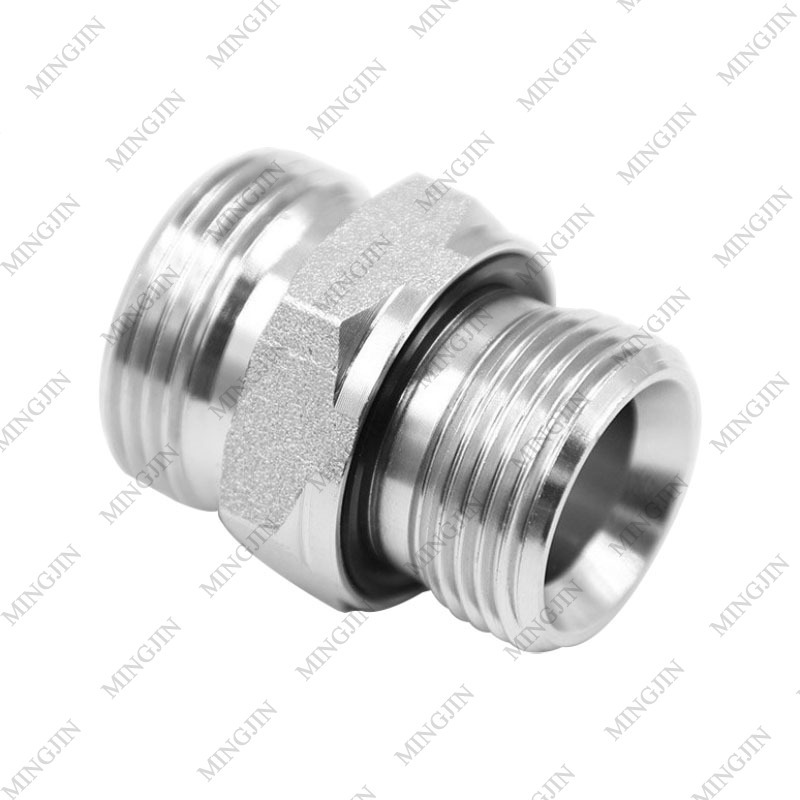
Hydraulic fittings are specialized components designed to connect hoses, pipes, and tubes in hydraulic systems. They come in various shapes, sizes, and materials, each suited for specific applications. Common types of hydraulic fittings include:
2.1 Types of Hydraulic Fittings
- Adapting Fittings: Used to connect different thread types or sizes.
- Couplings: Allow for quick connections and disconnections of hoses.
- Elbows: Facilitate directional changes in piping systems.
- Tees: Enable branch connections in hydraulic lines.
- Flanges: Provide a robust connection between components.
2.2 Applications of Hydraulic Fittings
Hydraulic fittings are utilized across various applications, including excavators, loaders, cranes, and other construction machinery. Their proper selection ensures smooth operation and minimizes the risk of leaks and failures.
3. Common Mistake #1: Neglecting Compatibility with Existing Systems
One of the most significant mistakes that professionals make is failing to ensure that the selected hydraulic fittings are compatible with their existing hydraulic systems. This oversight can lead to leaks, reduced efficiency, and even catastrophic failures. When selecting fittings, always consider the following:
3.1 Thread Type and Size
Ensure that the thread type and size match those of existing components. Common thread types include NPT (National Pipe Thread), BSP (British Standard Pipe), and JIC (Joint Industry Council).
3.2 Connection Styles
Different hydraulic systems may use distinct connection styles. Verify that the fittings you select align with the connection requirements of your equipment to avoid unnecessary modifications.
4. Common Mistake #2: Underestimating the Importance of Material Selection
The choice of material for hydraulic fittings is critical for their longevity and performance. Using inappropriate materials can lead to premature wear, corrosion, and failure. Here are some material considerations:
4.1 Common Materials Used in Hydraulic Fittings
- Steel: Known for its strength and durability, steel is commonly used in high-pressure applications.
- Stainless Steel: Offers excellent corrosion resistance, making it ideal for harsh environments.
- Brass: Provides good corrosion resistance and is easy to machine, suitable for lower-pressure applications.
4.2 Environmental Considerations
Consider the exposure conditions where the hydraulic fittings will be used. Factors such as temperature extremes, moisture, and chemical exposure can impact material performance. Always opt for materials that can withstand the specific environmental conditions of your application.
5. Common Mistake #3: Ignoring Pressure Ratings and Specifications
Each hydraulic fitting is designed to handle specific pressure ratings. Ignoring these specifications can lead to catastrophic failures and compromise the safety of your machinery. When selecting fittings, always check:
5.1 Working Pressure Limits
Ensure that the fittings you choose can handle the maximum working pressure of your hydraulic system. Always opt for fittings with pressure ratings that exceed your system's requirements for added safety.
5.2 Burst Pressure Ratings
Burst pressure is the maximum pressure a fitting can withstand before failing. Selecting fittings with adequate burst pressure ratings is essential for maintaining the integrity of the hydraulic system during operation.
6. Common Mistake #4: Failing to Consider Environmental Factors
Environmental factors play a significant role in the selection of hydraulic fittings. Neglecting to account for these factors can lead to premature failure of fittings and overall system inefficiency. Key considerations include:
6.1 Temperature Variations
Hydraulic systems often operate under varying temperature conditions. Selecting fittings that can withstand temperature fluctuations is vital to prevent degradation or failure.
6.2 Chemical Exposure
In some applications, hydraulic fittings may come into contact with chemicals or contaminants. Ensure that the selected materials are compatible with the substances they may encounter to avoid corrosion or damage.
7. Common Mistake #5: Choosing Cost Over Quality
When selecting hydraulic fittings, it can be tempting to choose lower-cost options to save money. However, prioritizing cost over quality can lead to more significant expenses down the line. Consider the following:
7.1 Long-Term Cost Implications
Lower-quality fittings may save you money in the short term, but they often result in higher maintenance costs, increased downtime, and potential safety hazards.
7.2 Reputation of Manufacturers
Always opt for fittings from reputable manufacturers known for their quality and reliability. Investing in high-quality fittings ensures optimal performance and longevity, ultimately reducing costs and improving safety.
8. Conclusion: Making Informed Decisions for Optimal Performance
Selecting the right hydraulic fittings for construction machinery is a critical process that demands careful consideration. By avoiding common mistakes such as neglecting compatibility, underestimating material selection, ignoring pressure ratings, failing to consider environmental factors, and prioritizing cost over quality, professionals can ensure the efficiency and safety of their hydraulic systems. Making informed decisions will not only enhance performance but also extend the lifespan of your machinery, ultimately leading to significant cost savings and improved operational efficiency.
9. FAQs: Addressing Common Concerns about Hydraulic Fittings
9.1 What are the most common types of hydraulic fittings?
The most common types include adapting fittings, couplings, elbows, tees, and flanges, each serving specific functions in hydraulic systems.
9.2 How can I determine the right size of hydraulic fittings?
To determine the correct size, consult your equipment's specifications, including thread type and diameter, to ensure compatibility.
9.3 What materials are best for hydraulic fittings?
The best materials depend on the application. Steel, stainless steel, and brass are commonly used, with considerations for environmental conditions.
9.4 How often should hydraulic fittings be inspected?
Regular inspections are advisable, ideally with each maintenance check, to ensure fittings are functioning properly and free from leaks or damage.
9.5 Can I use generic hydraulic fittings instead of OEM parts?
While generic fittings may work, using OEM parts is recommended to ensure compatibility and reliability, particularly in high-performance applications.
Key words:
PREVIOUS: