The Best Practices for Inspecting Hydraulic Connectors Regularly: Ensure Safety and Efficiency
Mar 21,2026
The Best Practices for Inspecting Hydraulic Connectors Regularly Hydraulic systems are integral to many industrial applications, and the integrity of hydraulic connectors is crucial for operational safety and efficiency. Regular inspection of these connectors can prevent catastrophic failures, enhance system performance, and reduce costs associated with downtime and repairs. This article provides
The Best Practices for Inspecting Hydraulic Connectors Regularly
Hydraulic systems are integral to many industrial applications, and the integrity of hydraulic connectors is crucial for operational safety and efficiency. Regular inspection of these connectors can prevent catastrophic failures, enhance system performance, and reduce costs associated with downtime and repairs. This article provides an in-depth look at the best practices for inspecting hydraulic connectors, ensuring you have the knowledge and tools necessary for optimal performance.
Understanding Hydraulic Connectors: A Brief Overview
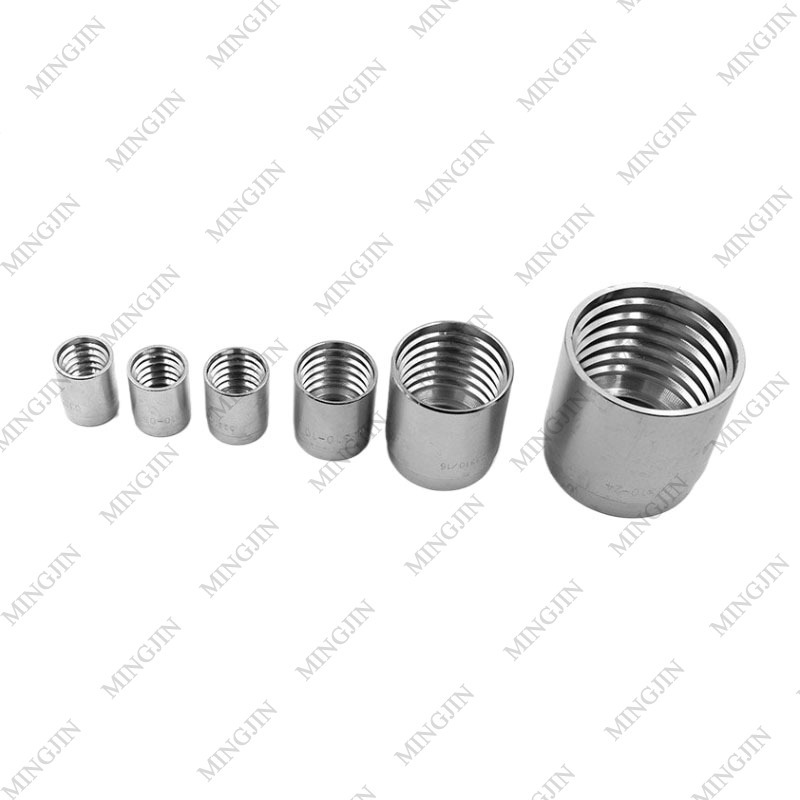
Hydraulic connectors are components used to link various parts of hydraulic systems. They facilitate the transfer of fluids under pressure, allowing machinery to operate effectively. There are various types of hydraulic connectors, including:
- **Quick Couplings**: Enable quick connect and disconnect without tools.
- **Flange Fittings**: Provide a robust connection suitable for high-pressure applications.
- **Threaded Connectors**: Commonly used for their reliability in sealing and securing connections.
Each type has its specific application and requirements for inspection, making it essential to understand their functions and requirements.
Importance of Regular Inspection of Hydraulic Connectors
Regular inspection of hydraulic connectors is vital for several reasons:
1. **Safety**: Failure in hydraulic connectors can lead to leaks and catastrophic failures, posing safety risks to operators and equipment.
2. **Efficiency**: Well-maintained connectors ensure optimal fluid flow, preventing system inefficiencies that can lead to increased operational costs.
3. **Longevity**: Regular checks can identify wear and tear, extending the life of the hydraulic system and its components.
4. **Cost Savings**: Preventive maintenance reduces unexpected downtime and costly repairs, allowing for more predictable budgeting.
Best Practices for Inspecting Hydraulic Connectors
To ensure effective inspection of hydraulic connectors, we recommend the following best practices:
1. Develop a Comprehensive Inspection Schedule
Establish a routine inspection schedule based on the manufacturer's recommendations and the operational environment of your hydraulic systems. Factors to consider include:
- **Operating Pressure and Temperature**: Higher pressures and temperatures may require more frequent inspections.
- **Environmental Factors**: Dust, moisture, and chemical exposure can accelerate wear and necessitate a more rigorous inspection regime.
2. Utilize the Right Tools for Inspection
Using the appropriate tools is crucial for accurate inspection. Consider the following tools:
- **Visual Inspection Tools**: Magnifying glasses and mirrors can help identify surface defects in connectors.
- **Pressure Gauges**: Measure operating pressure and identify issues related to pressure fluctuations.
- **Leak Detection Equipment**: Ultrasonic leak detectors can help identify leaks that might not be visible to the naked eye.
3. Perform Visual Inspections
Conduct thorough visual inspections of hydraulic connectors. Look for the following signs of wear and damage:
- **Cracks and Deformation**: Inspect for any visible cracks or deformations that may compromise the connector's integrity.
- **Corrosion**: Check for signs of corrosion, especially in connectors exposed to harsh environmental conditions.
- **Leakage**: Look for fluid leakage around connectors, which can indicate worn seals or improperly tightened fittings.
Key Areas to Inspect
- **Connection Points**: Ensure that all connection points are secure and free from debris.
- **Hoses and Fittings**: Inspect hoses for abrasions and fittings for tightness to prevent leaks.
- **Mounting Areas**: Check for alignment issues and wear on mounting areas that could lead to connector failure.
4. Check for Proper Torque Specifications
Utilizing a torque wrench to verify that hydraulic connectors are tightened to the manufacturer's specifications is crucial. Over-tightening can lead to connector damage, while under-tightening can result in leaks and disconnections.
5. Monitor Fluid Quality and Condition
The quality of hydraulic fluid plays a significant role in the longevity of hydraulic connectors. Regularly monitor fluid for contamination, which can lead to increased wear on connectors. Consider the following:
- **Filtration**: Utilize high-quality filters to maintain fluid cleanliness.
- **Fluid Analysis**: Conduct periodic fluid analysis to identify contamination and degradation.
6. Document Findings and Take Action
Keeping a detailed inspection log is essential for tracking the condition of hydraulic connectors over time. This documentation should include:
- Inspection dates
- Findings from inspections
- Actions taken (repairs, replacements, etc.)
- Any changes in operational conditions.
This log will help in identifying trends and predicting future maintenance needs.
When to Seek Professional Assistance
In some cases, it may be necessary to consult a professional for hydraulic connector inspections. This is particularly true when:
- There are persistent issues that cannot be resolved through routine inspection.
- Specialized tools or expertise is required for specific types of connectors.
- There is uncertainty in interpreting inspection results.
Professional inspections can provide advanced insights and solutions that may not be apparent during routine checks.
Training and Empowering Staff for Inspections
Ensuring that your staff is trained on the best practices for inspecting hydraulic connectors is essential. Implement a training program that covers:
- The importance of inspections
- Proper inspection techniques and use of tools
- How to document findings and report issues
Empowering staff with knowledge and responsibility can significantly enhance the reliability of hydraulic systems.
Conclusion
Regular inspection of hydraulic connectors is critical for maintaining safety, efficiency, and longevity in industrial applications. By following the best practices outlined in this guide, including developing a comprehensive inspection schedule, utilizing the right tools, and training staff, you can prevent failures, enhance system performance, and reduce costs. A proactive approach to inspection will ensure that your hydraulic systems operate smoothly and safely, contributing to the overall success of your operations.
FAQs about Inspecting Hydraulic Connectors
1. How often should hydraulic connectors be inspected?
The frequency of inspections depends on operating conditions, but a regular schedule should be established, typically ranging from monthly to quarterly.
2. What are the signs of a failing hydraulic connector?
Common signs include visible cracks, corrosion, leaks, and abnormal noise during operation.
3. Can I perform inspections myself, or should I hire a professional?
Basic inspections can be performed in-house, but for complex systems or persistent issues, hiring a professional is recommended.
4. What tools are essential for inspecting hydraulic connectors?
Essential tools include visual inspection tools, pressure gauges, leak detection equipment, and torque wrenches.
5. How can I extend the life of hydraulic connectors?
Regular inspections, proper maintenance, monitoring fluid quality, and adhering to torque specifications can significantly extend the life of hydraulic connectors.
Key words: